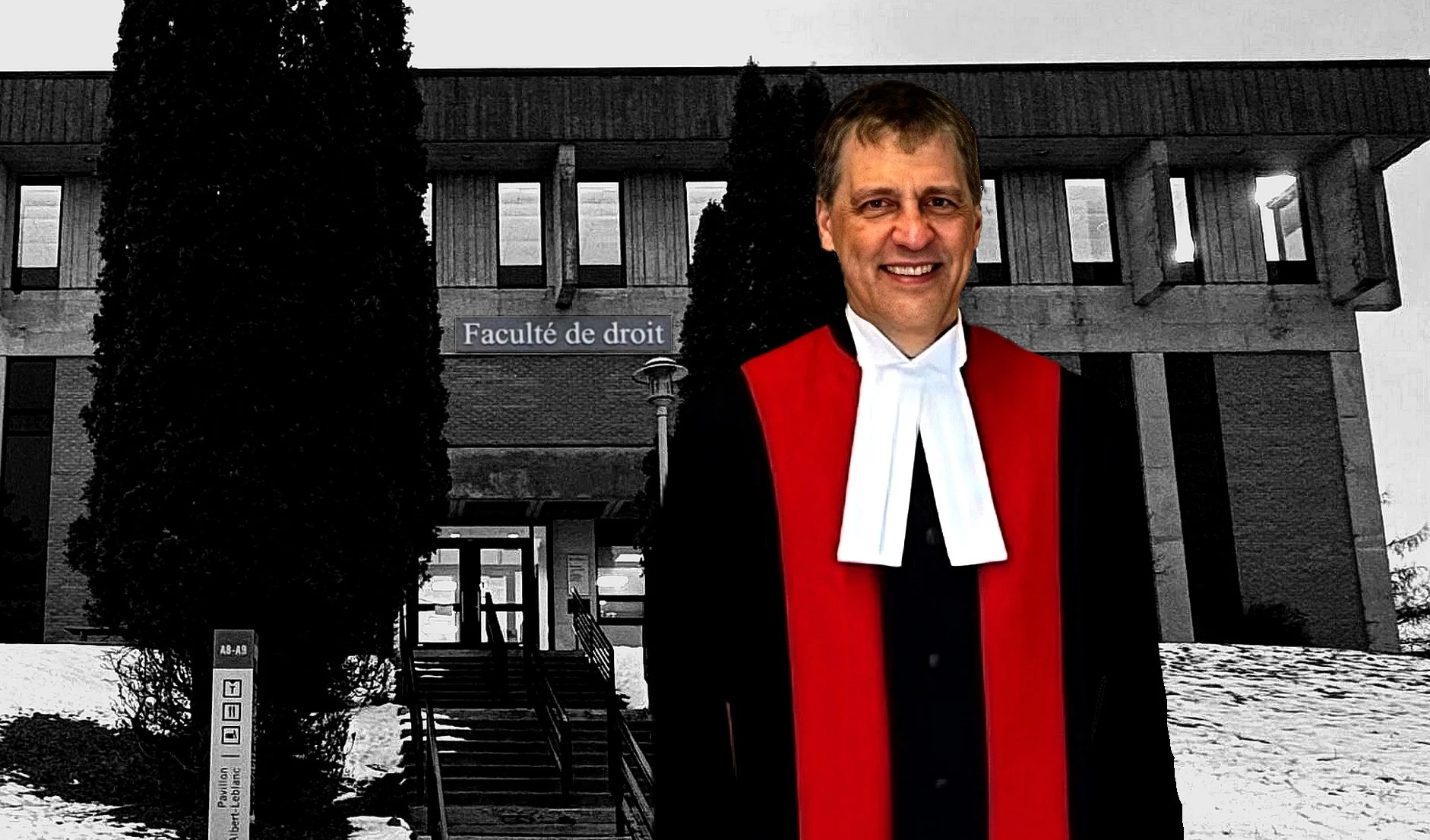
Concerning the appointment of Louis Marquis as a judge to the Superior Court of Quebec - Chapter 1
Alexandra Captariu, LL.B.
All publications in this series :
-
-
-
-
-
-
Coming soon
-
Coming soon
-
-
-
English version coming soon.
French version available here : https://www.claudiu-popa.com/blog-juridique/decoder-la-fraude
After being involved in litigations in 2022 and 2023, which he generated and refused to settle, and after the discovery of fraudulent schemes in the hiring process of lecturers at the Faculty of Law of the University of Sherbrooke (exposed in Part 1 and Part 2 of this series), Dean Louis Marquis "chose" in 2023 not to renew his term as dean, even though he was entitled to another 4-year term, from 2024 to 2028.
He publicly announced that he was going on sabbatical, “study leave”, outside of Canada.
Behind the scenes, however, Louis Marquis was secretly submitting his application to be appointed as a judge to the Superior Court of Quebec, where some of the cases he was involved in personally were being heard.
He aimed to obtain a position that would protect him, that would ensure his financial security through a salary of nearly $400,000 per year, a guaranteed job security until 75 through judicial irremovability, and a social and reputational status that would be difficult to question.
However, according to current rules, this position cannot be held by someone with a past that could affect their image, the image of the Canadian judiciary, or that of the Government of Canada that appoints them as a judge. Nor can this position be held by someone who is not completely honest and transparent in the judicial appointment process.
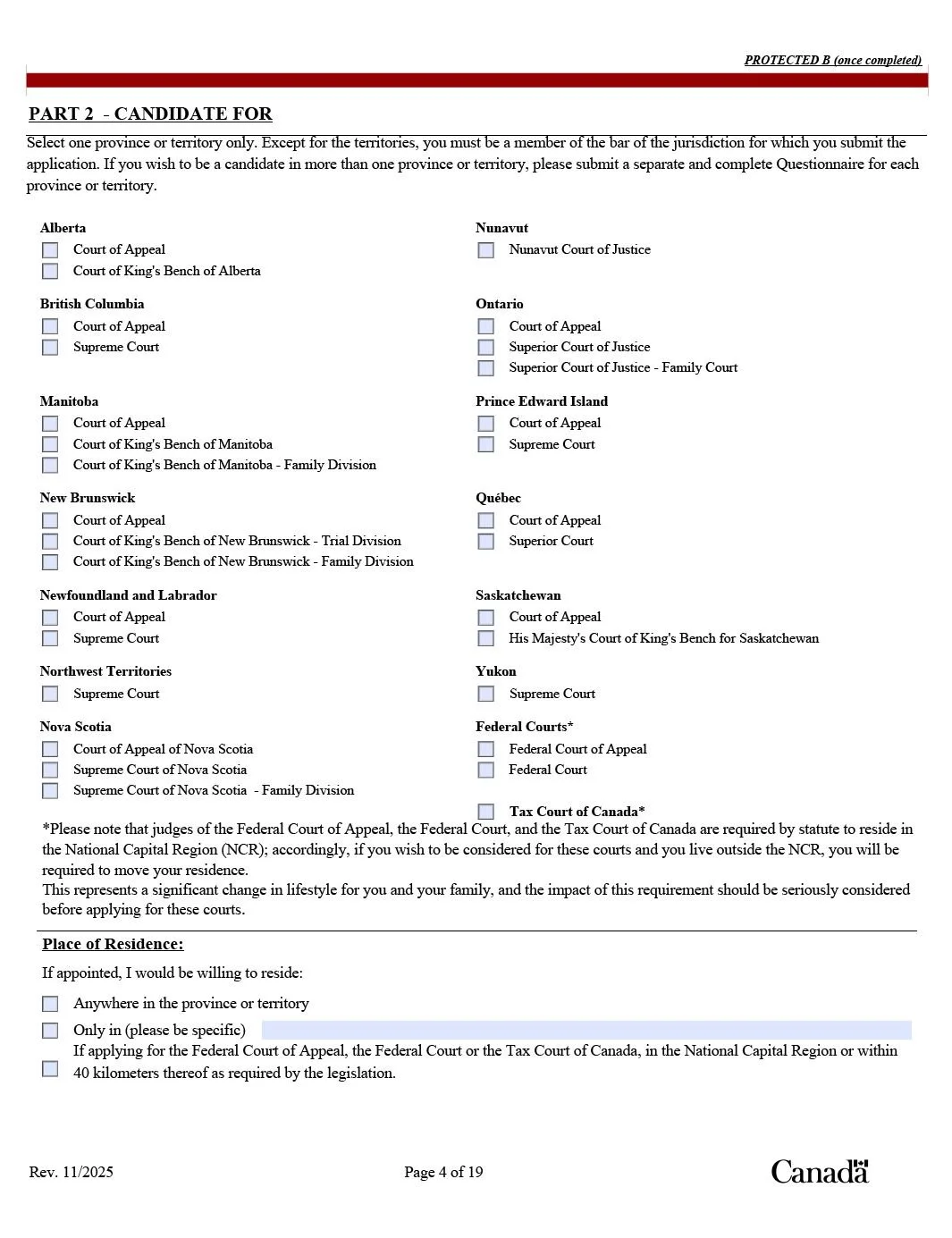
Curiously and to the surprise of several jurists, in June 2024, Louis Marquis was appointed as a judge to the Superior Court of Quebec by the Minister of Justice of Canada, the lawyer Arif Virani, of Justin Trudeau’s government (Liberal Party of Canada).
His application was recommended by the Federal Judicial Advisory Committee for Quebec - West, a committee of 7 members, including Justice Mark Schrager of the Court of Appeal of Quebec (appointed to this position by the Chief Justice of the Court of Appeal of Quebec, Manon Savard) and lawyer Steeves Bujold of the law firm McCarthy Tétrault (appointed to this position by the Canadian Bar Association, with which Louis Marquis had worked for nearly two decades).

At the time of his appointment, Louis Marquis was a professor of Prevention and Resolution of Disputes (PRD) at the Faculty of Law of the University of Sherbrooke.
He was a long-time member of the administration of this institution, where he held several management positions, including that of associate dean from 1996 to 2000, and then dean from 2000 to 2004 and again from January 2020 to December 2023.
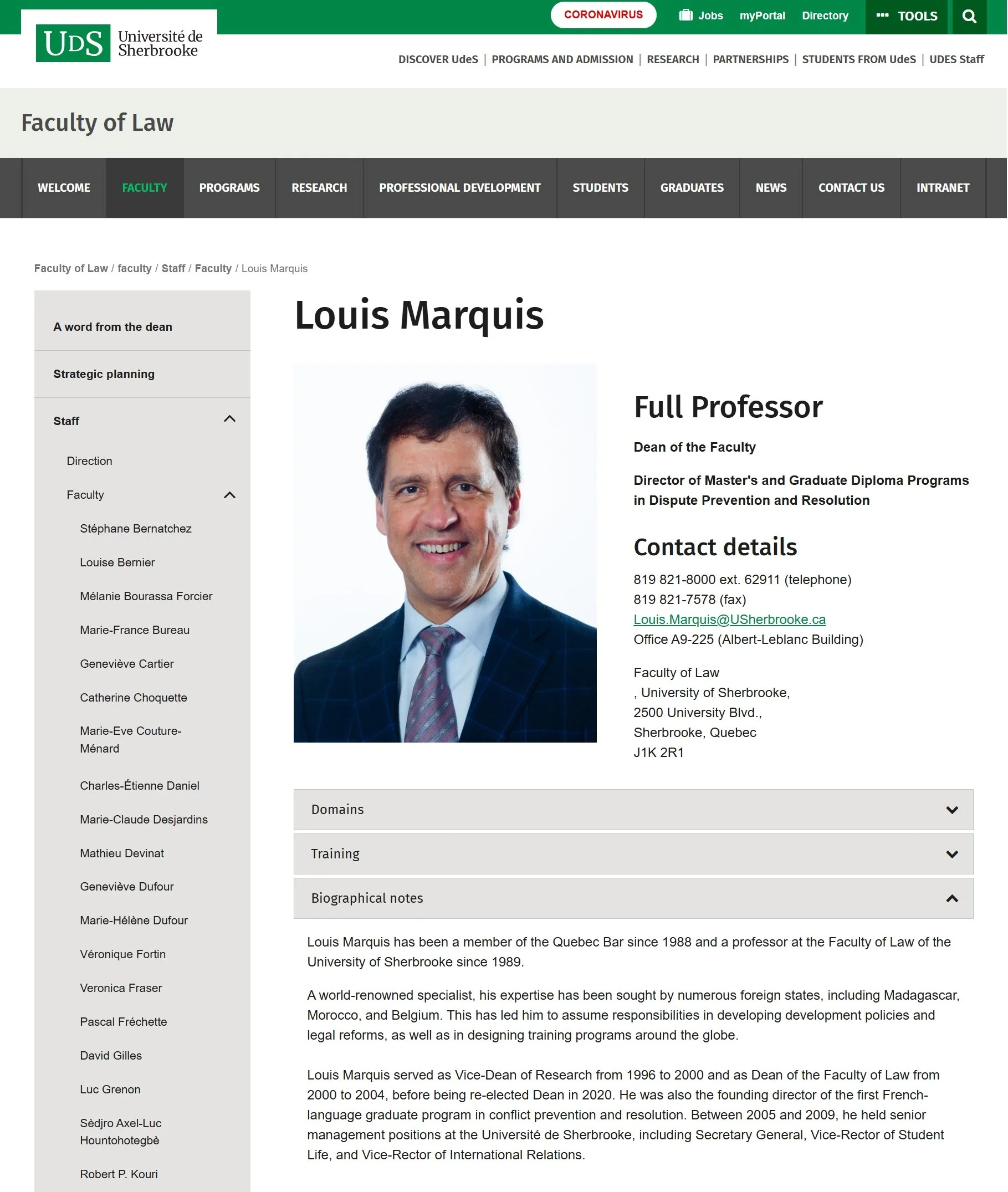
Source : Faculty of Law, University of Sherbrooke. Original in French. English version provided by Google Chrome Browser.
A judge who lied in his application for appointment
Transparency and integrity
In Canada, the process for appointing federal judges
"emphasizes transparency " and "will continue to ensure the appointment of jurists who meet the highest standards of excellence and integrity "
as stated in the Government of Canada’s publication.
“Transparency”.
“Jurists who meet the highest standards of integrity”.
Integrity is a sine qua non ethical characteristic for a judge, dictating his actions and conduct, and requiring him to remain faithful, at all times, to values such as honesty, honor, accountability and probity, especially when faced with difficult or tempting situations.
A person appointed as a judge must embody the highest standards of integrity, since any conduct that demonstrates a lack of honesty and integrity can undermine public trust and respect for the judiciary, as recognised by the Supreme Court of Canada and the Canadian Judicial Council :
“Public confidence in and respect for the judiciary are essential to an effective judicial system and, ultimately, to democracy founded on the rule of law. Many factors [...] can adversely influence public confidence in and respect for the judiciary. Another factor which is capable of undermining public respect and confidence is any conduct of judges, in and out of court, demonstrating a lack of integrity. Judges should, therefore, strive to conduct themselves in a way that will sustain and contribute to public respect and confidence in their integrity, impartiality, and good judgment. [...]. The public will therefore demand virtually irreproachable conduct from anyone performing a judicial function. It will at least demand that they give the appearance of that kind of conduct. They must be and must give the appearance of being an example of impartiality, independence and integrity. What is demanded of them is something far above what is demanded of their fellow citizens”.
- Therrien (Re), 2001 SCC 35, para. 110 and 111.
When Louis Marquis was appointed judge in 2024, he had been involved for two years in various legal disputes concerning actions that he, personally, or his administration took while he was the dean (the highest-ranking official) of the Faculty of Law at the University of Sherbrooke between January 2020 and December 2023.
More than 400 times
The files mentioned Louis Marquis more than 400 times by name, by his title as dean, his management as dean, or his administration at the Faculty of Law at the University of Sherbrooke.
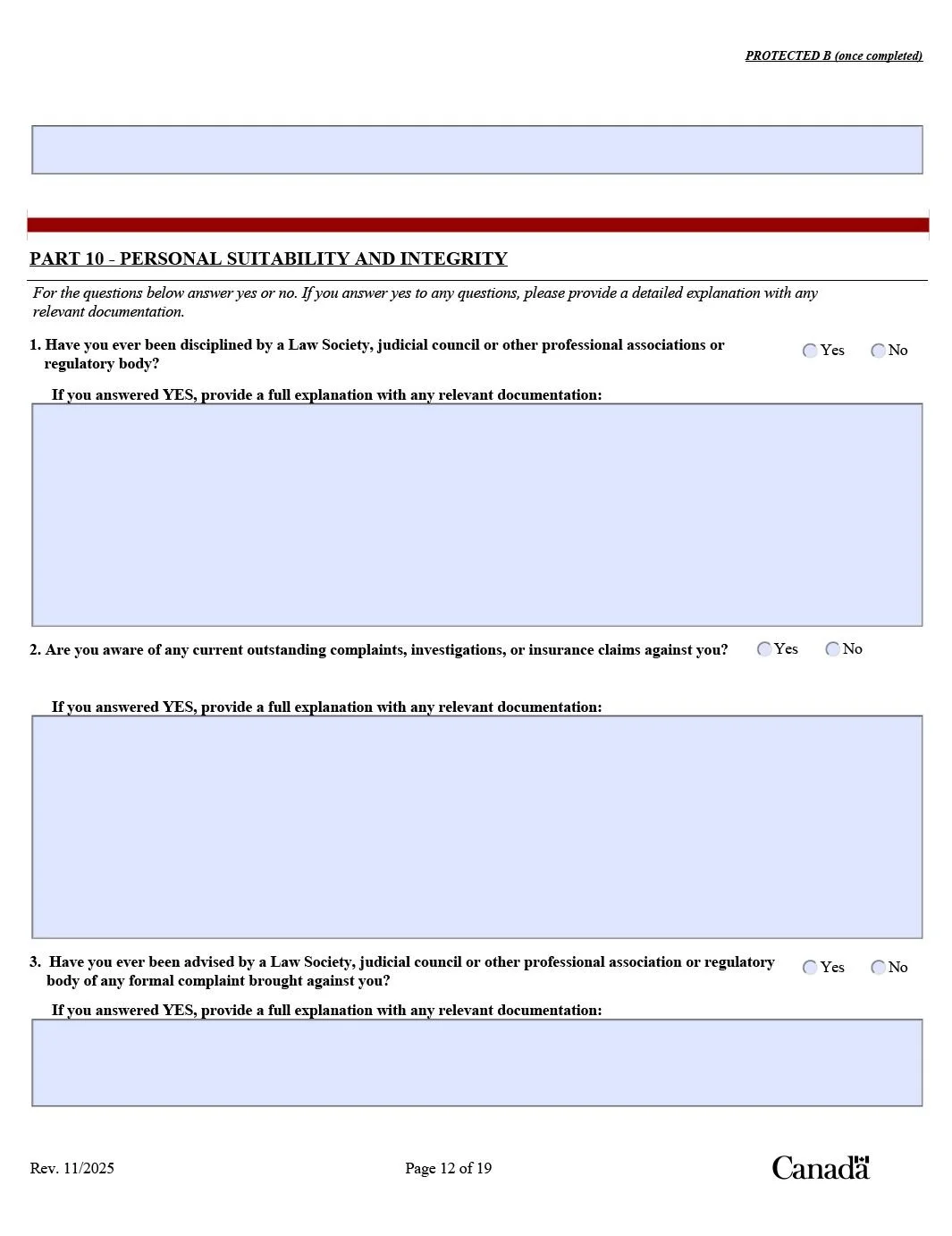
In this context, question 5 of the application form for appointment as a judge (the Questionnaire for Federal Judicial Appointments, question 5 of Part 10 – Personal Suitability and Integrity) became central :
Question 5 : Are you currently or have you, in the past, been involved in litigation as a party or as an intervenor in your personal capacity or as part of a group? Do you foresee commencing or defending any litigation in the foreseeable future (because you have received a demand letter, have received notice of a possible claim against you, or because it is possible that you will file such a claim against another party? If you answered YES, provide a full explanation with any relevant documentation [1]
Louis Marquis had a legal obligation to disclose these files to the Government of Canada and to the Federal Judicial Advisory Committee as part of the judicial appointment process.
He had a legal obligation to provide them with a detailed explanation regarding these disputes.
He also had a legal obligation to provide them with any relevant documentation in this regard, before his appointment to the judiciary : grievances, complaints, legal claims, judicial reviews, appeals, factums, decisions concerning him, or contentious decisions he took that were the subject of litigation or were likely to be the subject of litigation, etc.
Such disclosure was required by the Government of Canada, as it concerned elements that the Advisory Committee had to examine carefully and that could constitute obstacles to the appointment of Louis Marquis.
The section Impediments to Appointment on the Government of Canada’s website lists some examples, which are not exhaustive :
“any criminal or other offences, breaches of professional conduct, questionable financial dealings, failure to meet a family support obligation, wrongdoing or other possible impediment to appointment”
The Government of Canada also indicates other potential impediments to appointment, such as
"Any current or past civil or criminal actions involving the candidate"
Furthermore, Louis Marquis was also obligated to disclose any other information that could negatively reflect on him, on the judiciary, or on the government. He was required to provide a detailed explanation and include any relevant documents in his application.
Such disclosure was also required by the Government of Canada in the Questionnaire for Federal Judicial Appointments, specifically by question 10 of Part 10 – Personal Suitability and Integrity. This question is worded very broadly to include as many incidents, elements, and documents as possible that could have had or could have negative consequences :
Question 10 : If appointed, is there anything in your past or present that could reflect negatively on yourself, the judiciary or the government? If you answered YES, provide a full explanation with any relevant documentation [2]
Along the same lines, the Government of Canada clearly informed judicial candidates in the Ethical, Change of Lifestyle and Other Considerations section of its Candidate Guide that
“Candidates should therefore be prepared to make full disclosure of any matter that would reflect upon their ability to perform the functions of judicial office, or upon the credibility and repute of the judiciary as a whole”
It was not for Louis Marquis to judge the relevance of disclosing the litigation files that he was involved in, the disputes he had generated by his decision-making and the related documents, nor to judge the merit, seriousness or gravity of these files.
It wasn't a choice.
His legal obligation was to provide all this information.
It was the prerogative and responsibility of the members of the Advisory Committee to judge all of these elements and to decide whether, in light of all of these facts, the Advisory Committee would recommend or not the appointment of Louis Marquis to the Minister of Justice of Canada.
The same applied to the Minister of Justice. It was his prerogative to determine whether or not he would put his own name and responsibility on the line to make this appointment, given the candidate's past.
However, Louis Marquis did not disclose all of this information to the Advisory Committee.
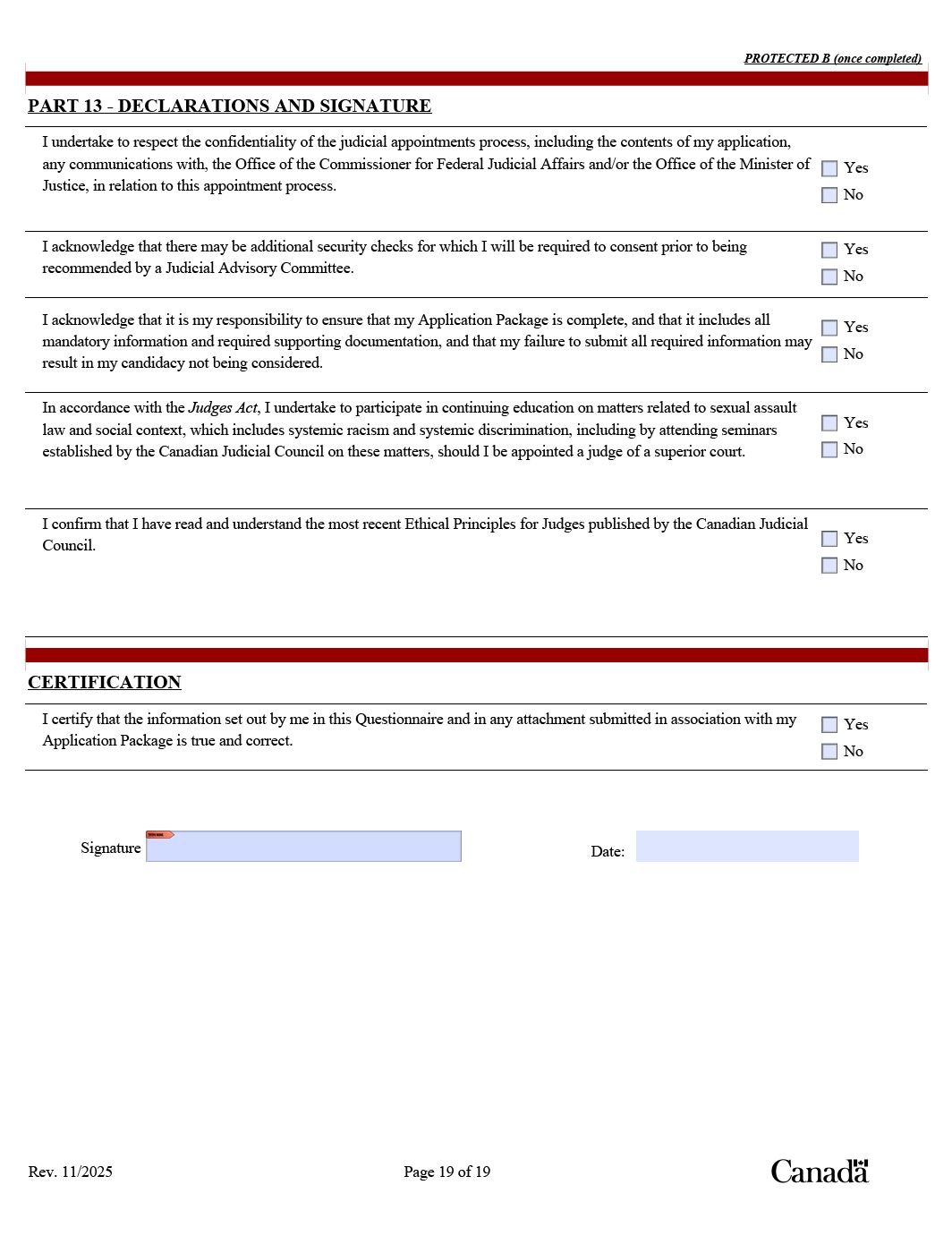
In doing so, Louis Marquis was not completely transparent and honest in the process that resulted in his appointment to the judiciary.
He failed to comply with his legal obligations imposed by the Government of Canada, and his conduct fell short of the highest standards of integrity expected of him. His conduct was inconsistent with that required of a candidate for the judiciary or of a judge.
Nonetheless, the Supreme Court of Canada has long established that "[a judge's] failure to be candid and to disclose relevant information when he was a candidate for the office of judge” sufficiently undermines “public confidence, rendering him incapable of performing the duties of his office” (Therrien (Re), 2001 SCC 35), leading to the removal of the judge who was so appointed. To quote the Supreme Court of Canada in Therrien (Re):
Para. 146 : “The complaint lodged against the appellant alleges that he failed to disclose that he had been in trouble with the law during the 1970s, in response to questions he was asked on that subject by the members of the committee to select persons qualified for appointment as judges. In so doing, he allegedly failed in his duty to uphold the integrity and independence of the judiciary and the duty to perform the duties of his office with dignity and honour, in accordance with s. 262 C.J.A. and ss. 2, 4, 5 and 10 of the Judicial Code of Ethics. The majority of the committee of inquiry established by the Conseil de la magistrature found that the appellant’s conduct was so manifestly and profoundly destructive of public confidence in him and in the justice system as a whole that a reprimand could not restore that confidence. Accordingly, because of the gravity and the continuing nature of the offence, it was appropriate to recommend the applicant’s removal. The inquiry panel of the Court of Appeal made the same finding. In the opinion of that Court, the appellant’s conduct was so blameworthy that it entitled the government to remove him without violating the principle of judicial independence. The fact that he deliberately concealed his conviction and deprived the selection committee of relevant information concerning his competence to be appointed as a judge warrants the recommendation that his commission be revoked.“
Para. 147 : “The public’s invaluable confidence in its justice system, which every judge must strive to preserve, is at the very heart of this case. The issue of confidence governs every aspect of this case, and ultimately dictates the result. Thus, before making a recommendation that a judge be removed, the question to be asked is whether the conduct for which he or she is blamed is so manifestly and totally contrary to the impartiality, integrity and independence of the judiciary that the confidence of individuals appearing before the judge, or of the public in its justice system, would be undermined, rendering the judge incapable of performing the duties of his office (Friedland, supra, at pp. 80-81).“
Furthermore, Louis Marquis deprived both the members of the Judicial Advisory Committee and the Minister of Justice of Canada of the opportunity to make a free and informed choice regarding his appointment.
Depriving the Advisory Committee and/or the Minister of Justice of essential information, lying by omission or directly, in order to obtain an advantage - the appointment - constitutes deception, a fraudulent mean.
It was in this context that Louis Marquis was appointed judge, specifically in the city where these cases were being heard, while these cases were being heard in Sherbrooke, and specifically to the Court that was hearing some of these cases, the Superior Court of Quebec.

Source : Faculty of Law of the University of Sherbrooke
What did Louis Marquis hide? His discriminatory actions
Beyond the reprehensible conduct that Judge Louis Marquis chose to adopt during the judicial appointment process, the content of the litigation files that involved him and his management at the Faculty of Law at the University of Sherbrooke from January 2020 to December 2023 reveals discriminatory practices in which Louis Marquis engaged. These actions targeted Dr. Claudiu Popa, an experienced and highly qualified Quebecer lawyer from an ethnic minority.
Let's briefly review some examples of these actions.
Hiring a labour lawyer to teach a criminal law course, instead of hiring the criminal lawyer who was from an ethnic minority
In 2021, when he was head of the Faculty of Law at the University of Sherbrooke, Louis Marquis preferred to hire a Quebecer lawyer specialized in labour law (Me Pierre-Louis Fortin-Legris) to teach a criminal law course, rather than hiring Dr. Claudiu Popa, then a lawyer and member of the Quebec Bar since 2013, specialised in criminal law, but who belonged to an ethnic minority.
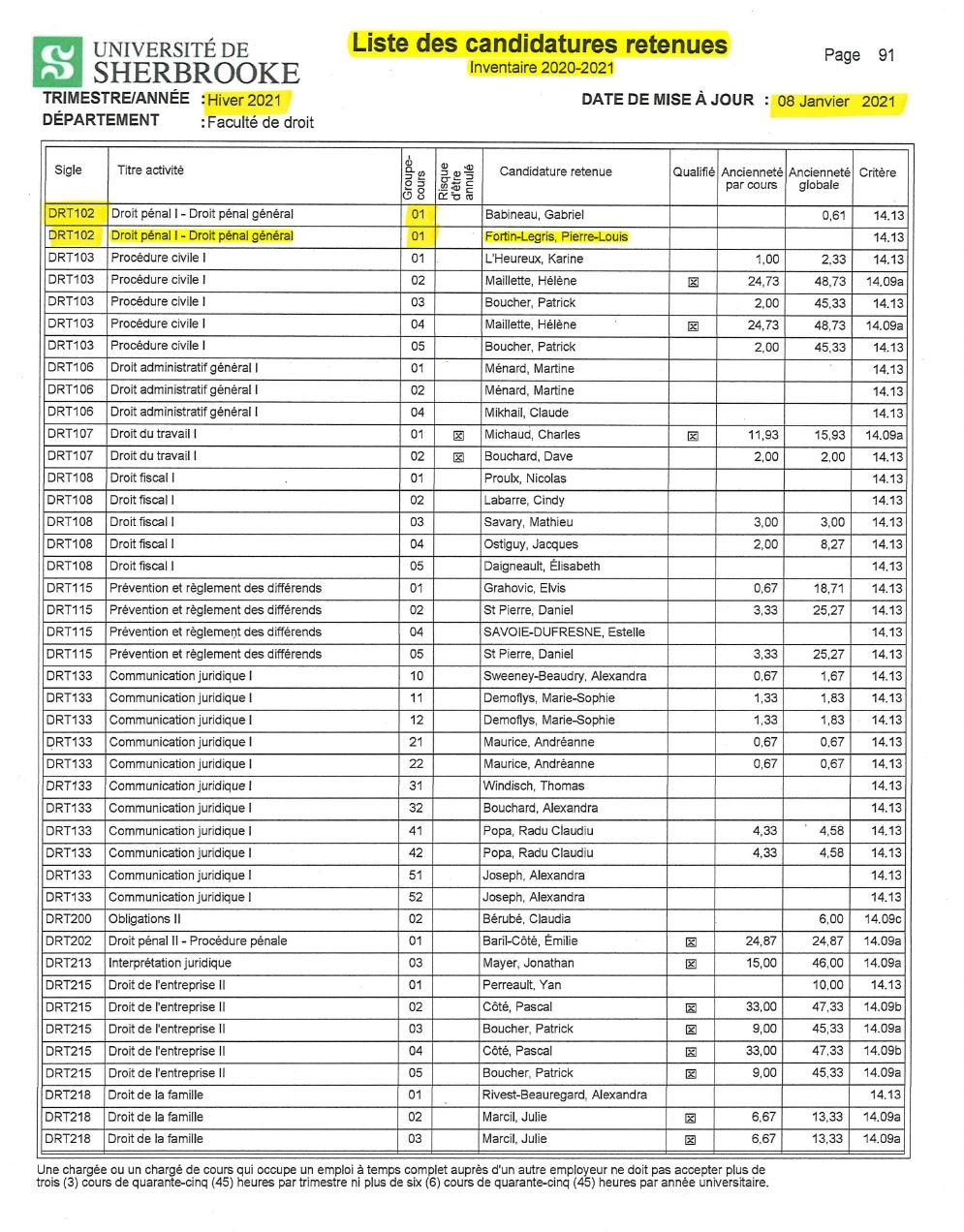
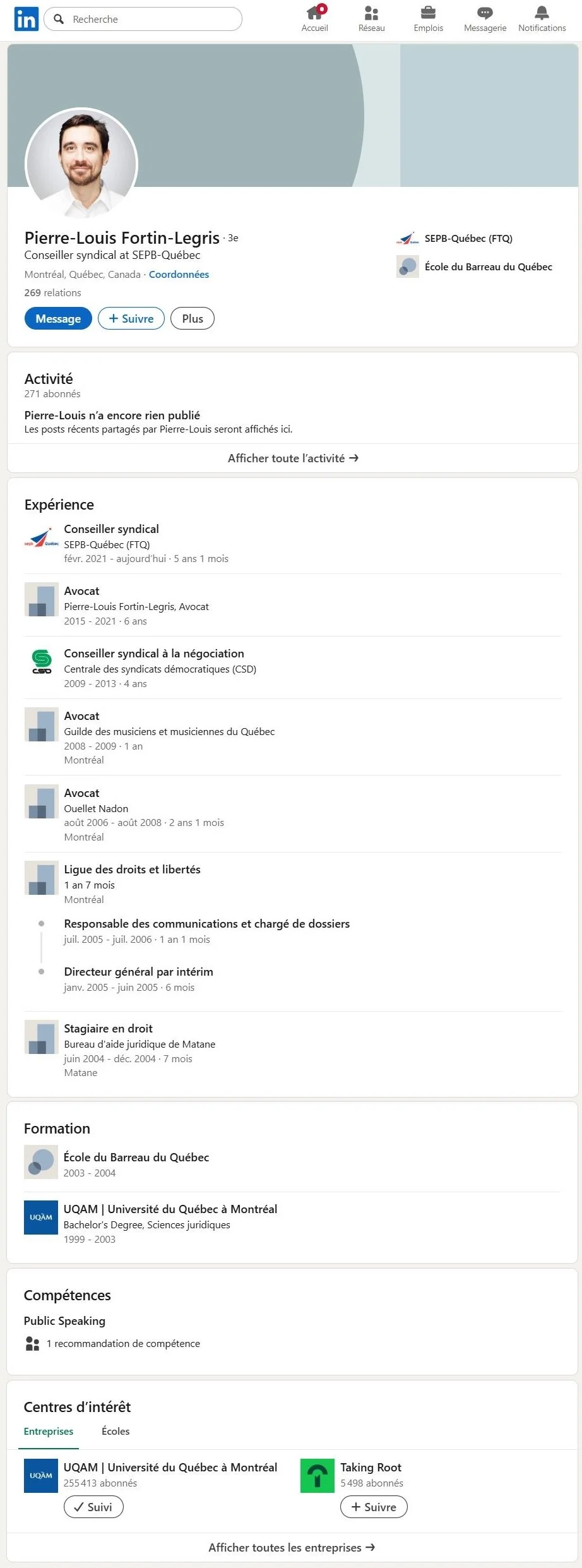
Louis Marquis preferred to hire this Quebecer lawyer who had no experience in university teaching, rather than hiring the lawyer belonging to an ethnic minority who was popular among students and had been teaching at the Faculty of Law of the University of Sherbrooke since 2012.
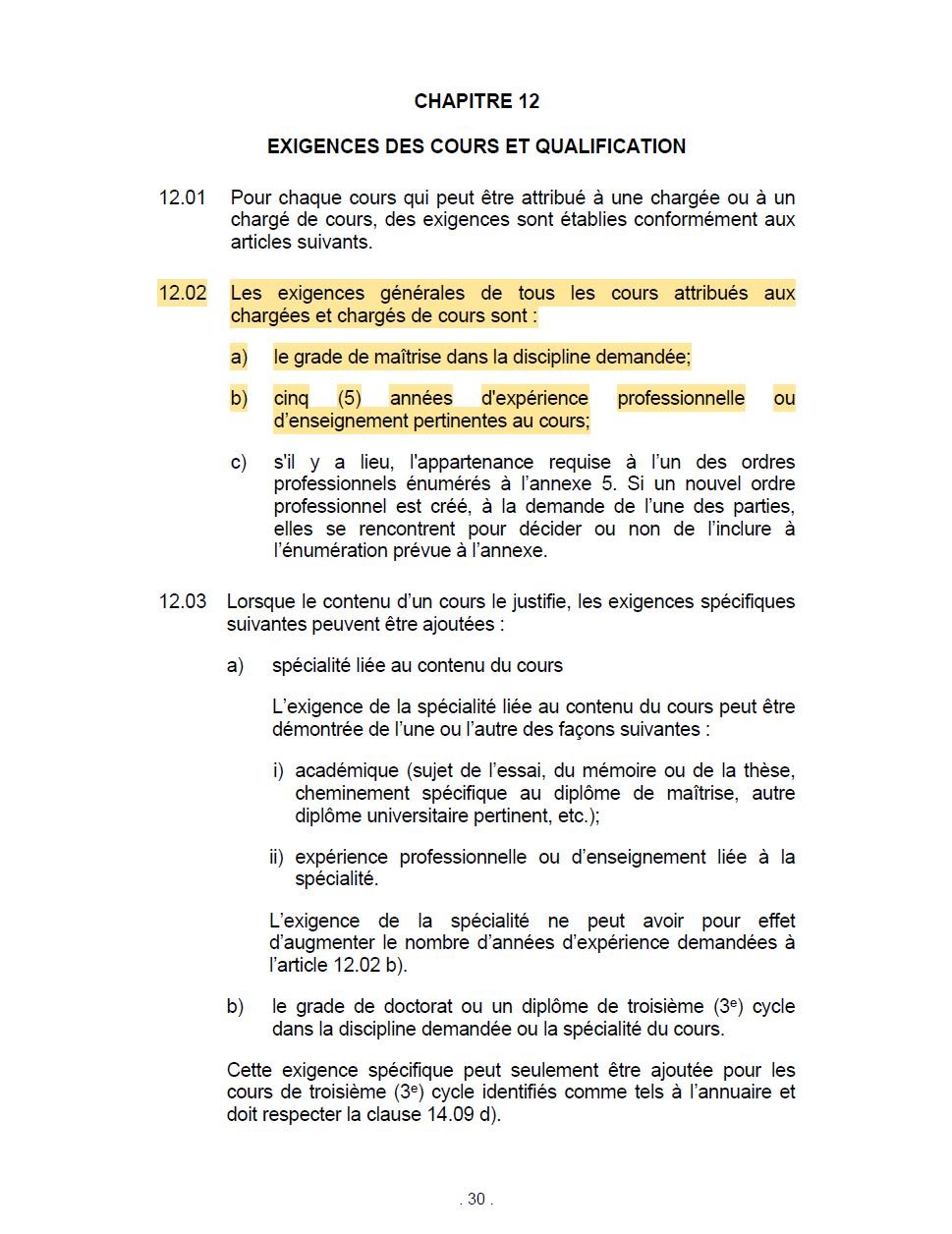
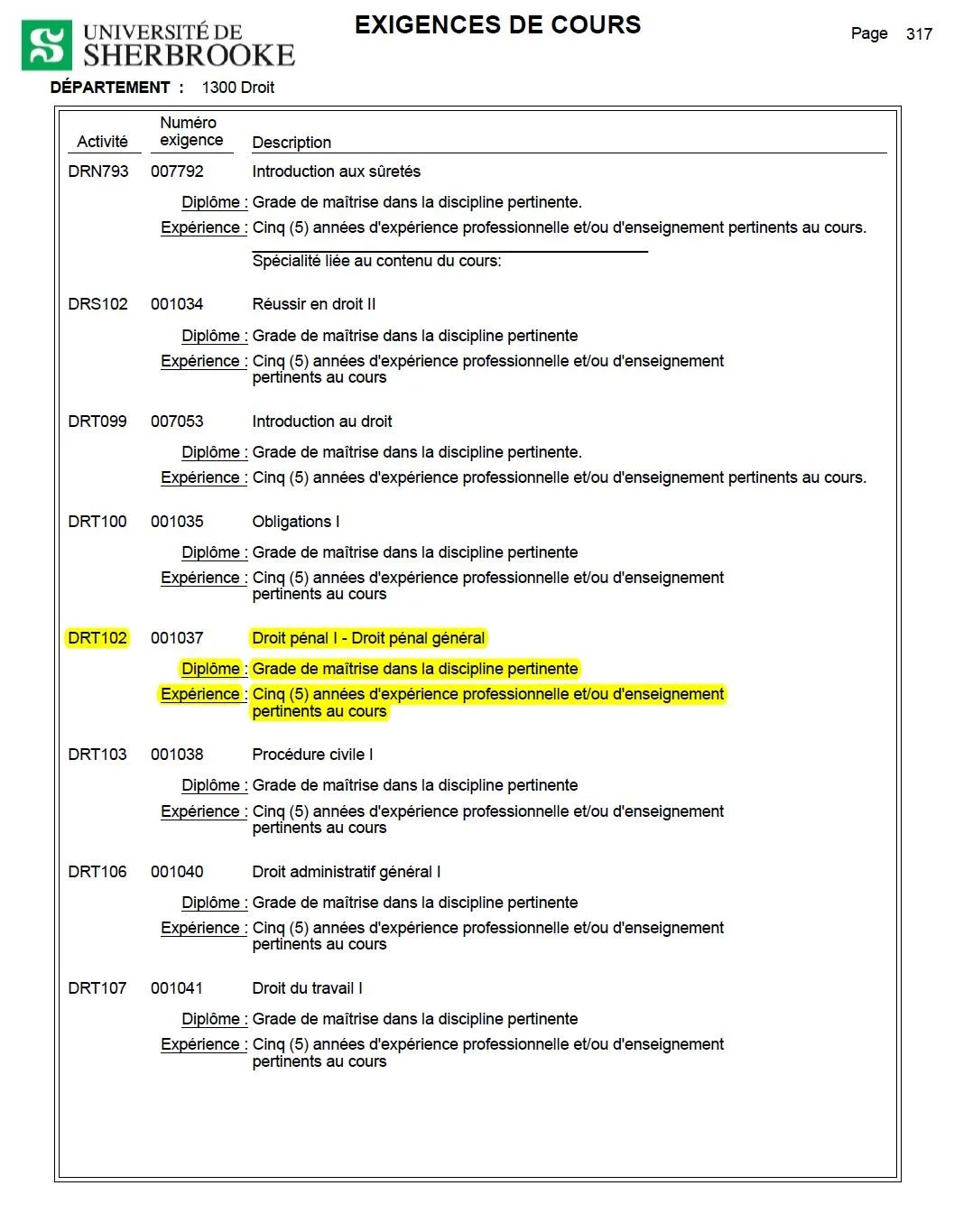
He preferred to violate the hiring requirement of the Collective Agreement, which imposed that the hired candidate had a master's degree in the subject of the course being taught (criminal law), to hire this Quebecer lawyer who did not have a master's degree in criminal law, rather than hiring the lawyer belonging to an ethnic minority who already had a master's degree in criminal law.
Louis Marquis preferred to reject the lawyer with expertise in criminal law belonging to an ethnic minority who had also been a doctoral researcher in criminal law at the Faculty of Law of the University of Sherbrooke for 5 years, in favour of a Quebecer lawyer who did not possess such expertise.
Louis Marquis failed to disclose these facts, which generated litigation, to the Government of Canada, despite his legal obligation to disclose any fact that could negatively affect his image, the image of the judiciary or the image of the Government.
Acknowledging the accumulation of positions for candidates for "native" Quebecers, but labelling it as "impossible" for a Quebecer candidate belonging to an ethnic minority
In April 2022, Louis Marquis claimed to this same Quebecer lawyer from an ethnic minority that he could not simultaneously pursue activities as a lawyer, lecturer, and doctoral researcher. Yet, the Faculty of Law at the University of Sherbrooke, which Louis Marquis headed, was publicly praising, at the same time, the ability of one of his Quebecer colleagues to do this very same thing.

Source : CENTRE DE DÉVELOPPEMENT PROFESSIONNEL, “Travail et études supérieures en simultané? C’est possible”, University of Sherbrooke, April 26th, 2022, online : ‹https://open.spotify.com/episode/0Wf98fbxZrv00BFr37nEyl›. Original in French. English version provided by Google Chrome Browser.
What was deemed “impossible” for one was a “model of success” for the other.
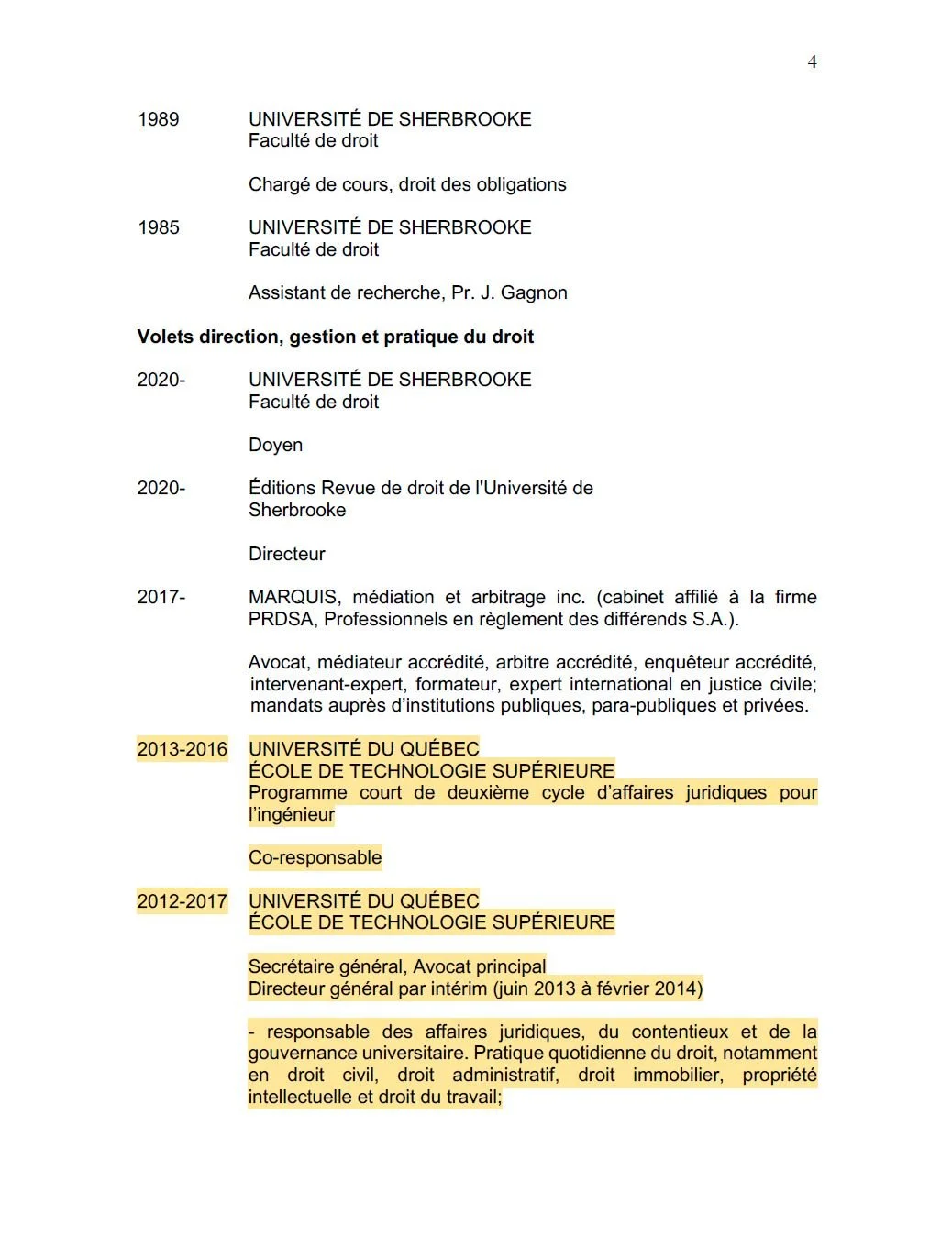
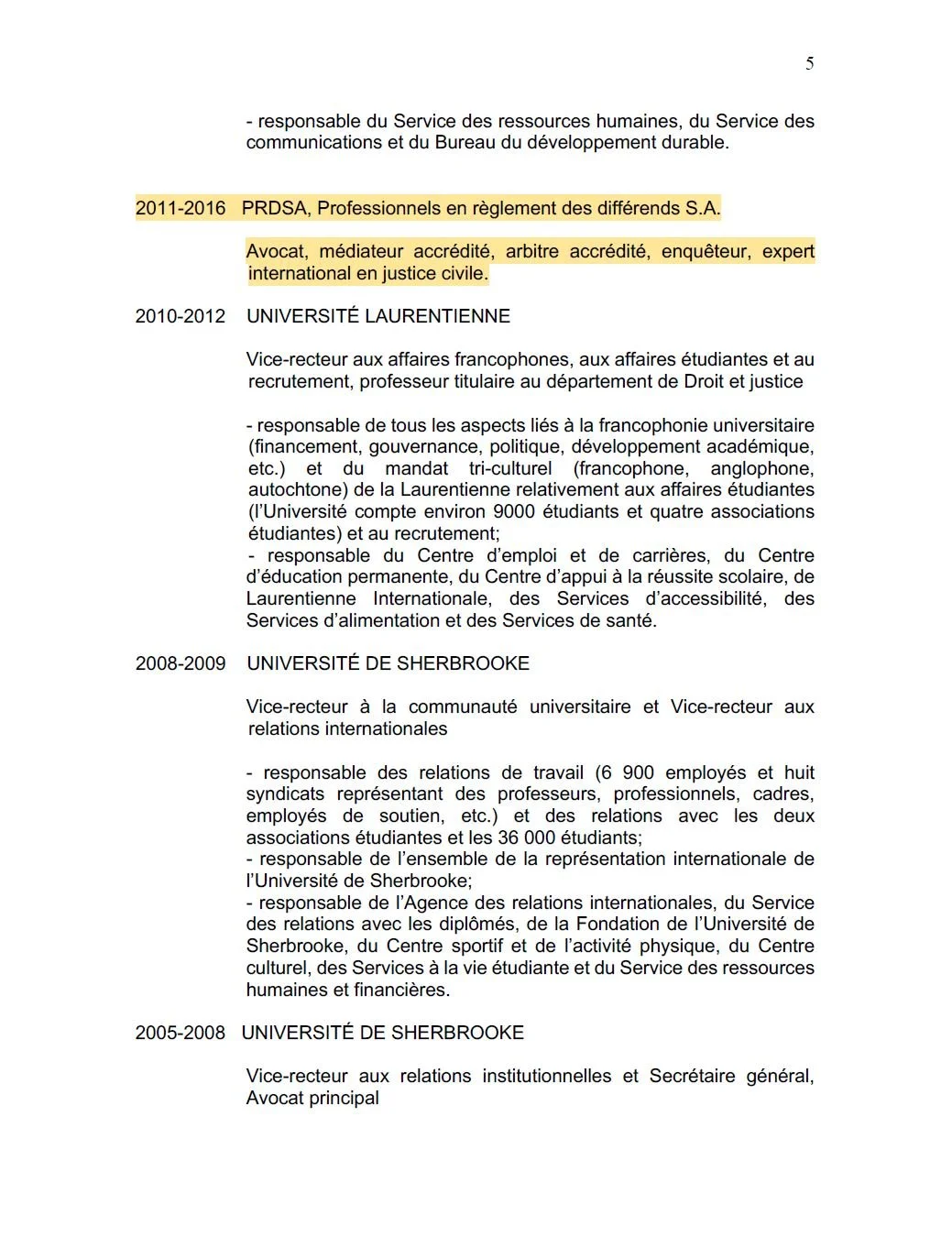
This selective evaluation is all the more troubling considering that accumulating multiple positions as the same time was a practice adopted by Louis Marquis himself. He claimed in his curriculum vitae that he had held no fewer than five jobs simultaneously between 2013 and 2016 :
(1) associate professor at the Faculty of Law of the University of Sherbrooke;
(2) associate professor at the Faculty of Law of the University of Montreal;
(3) secretary general and senior counsel of the École de technologie supérieure of the Université du Québec (the Higher Technology School of the University of Quebec);
(4) co-responsible for the Short Graduate Program in Legal Affairs for Engineers at the École de technologie supérieure of the University of Quebec (the Higher Technology School of the University of Quebec);
(5) lawyer, accredited mediator, accredited arbitrator, investigator, international expert in civil justice with the firm PRDSA (Professionals in Dispute Resolution SA).
This information comes from Louis Marquis's 2023 curriculum vitae, which he published on his profile with the Institute of Mediation and Arbitration of Quebec (IMAQ)prior to his appointment to the judiciary. Excerpts below, in French :
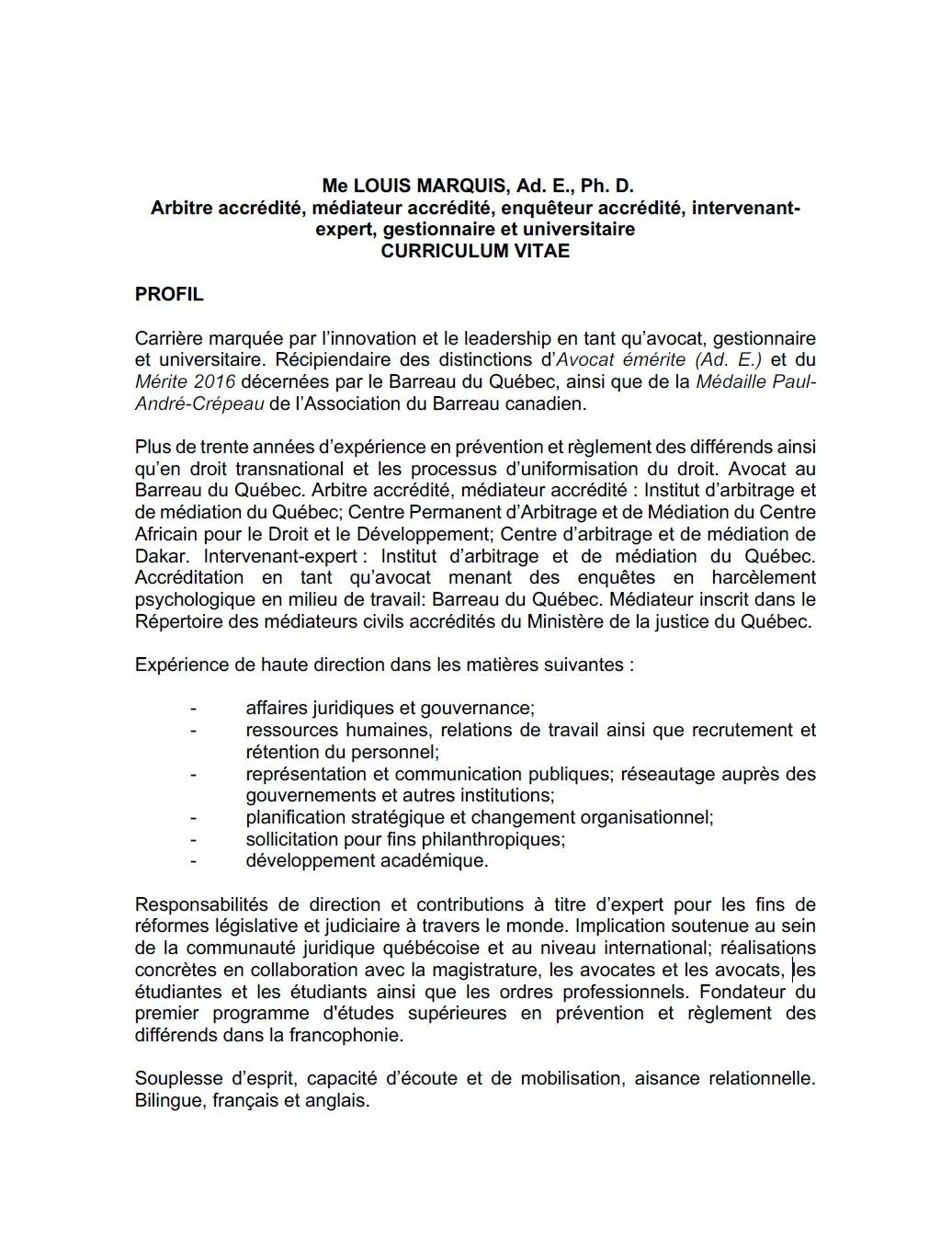

Louis Marquis is not the only one who accumulated every position he could while failing to acknowledge the merit of others in doing likewise. The current dean of the Faculty of Law of the University of Sherbrooke, Marie-Pierre Robert, also engaged in this practice of accumulating multiple positions at the same time. According to her curriculum vitae, she claimed to have held three or four positions simultaneously during the period 2001-2003 :
(1) lecturer at the Faculty of Law of the University of Montreal (2001-2004);
(2) lecturer at the Faculty of Law of the University of Sherbrooke (2001-2004);
(3) master's student in law (2000-2002), and afterwards, doctoral researcher in law from 2003;
(4) legal assistant for the International Criminal Tribunal for Rwanda, in Arusha, Tanzania (2001-2003).
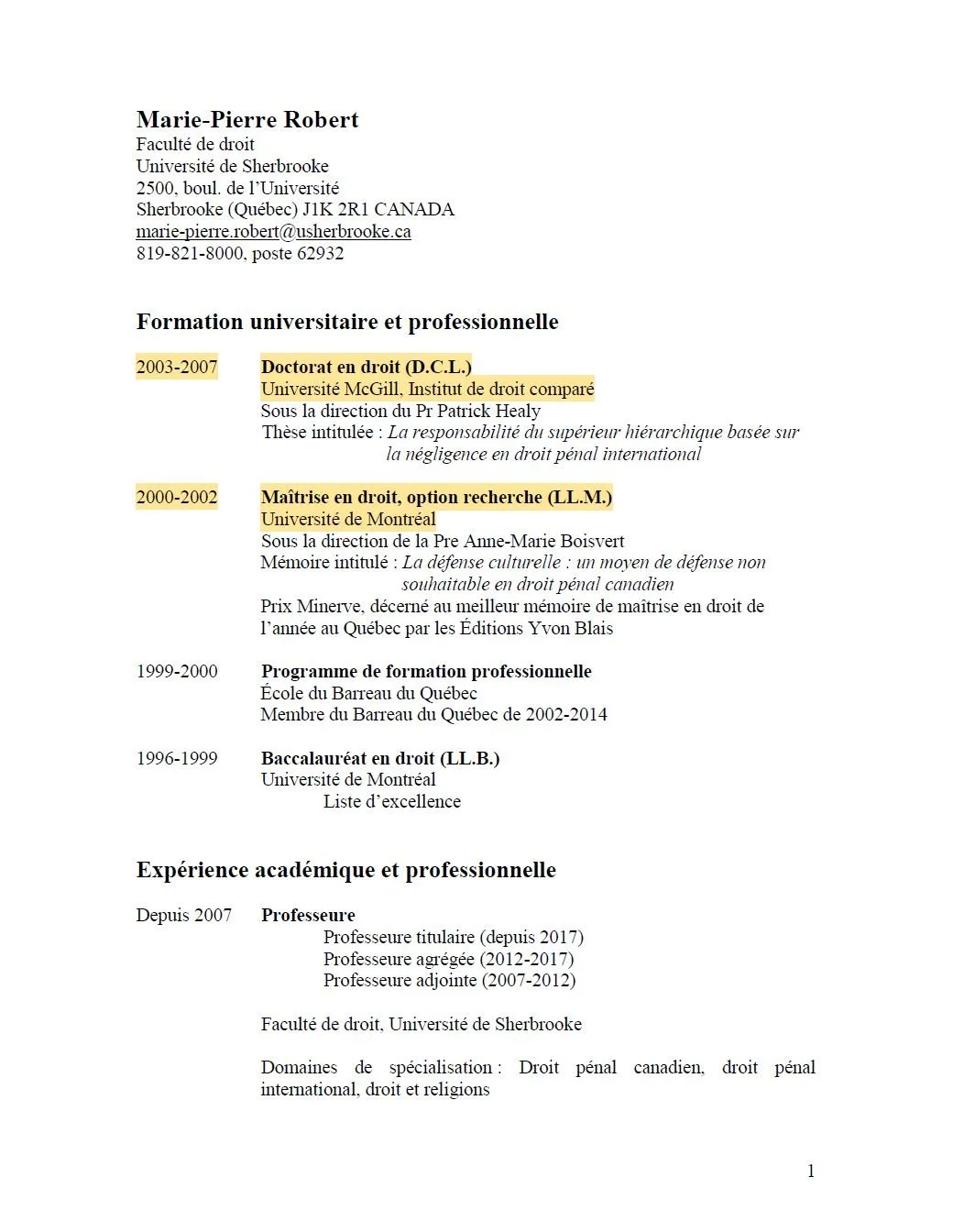
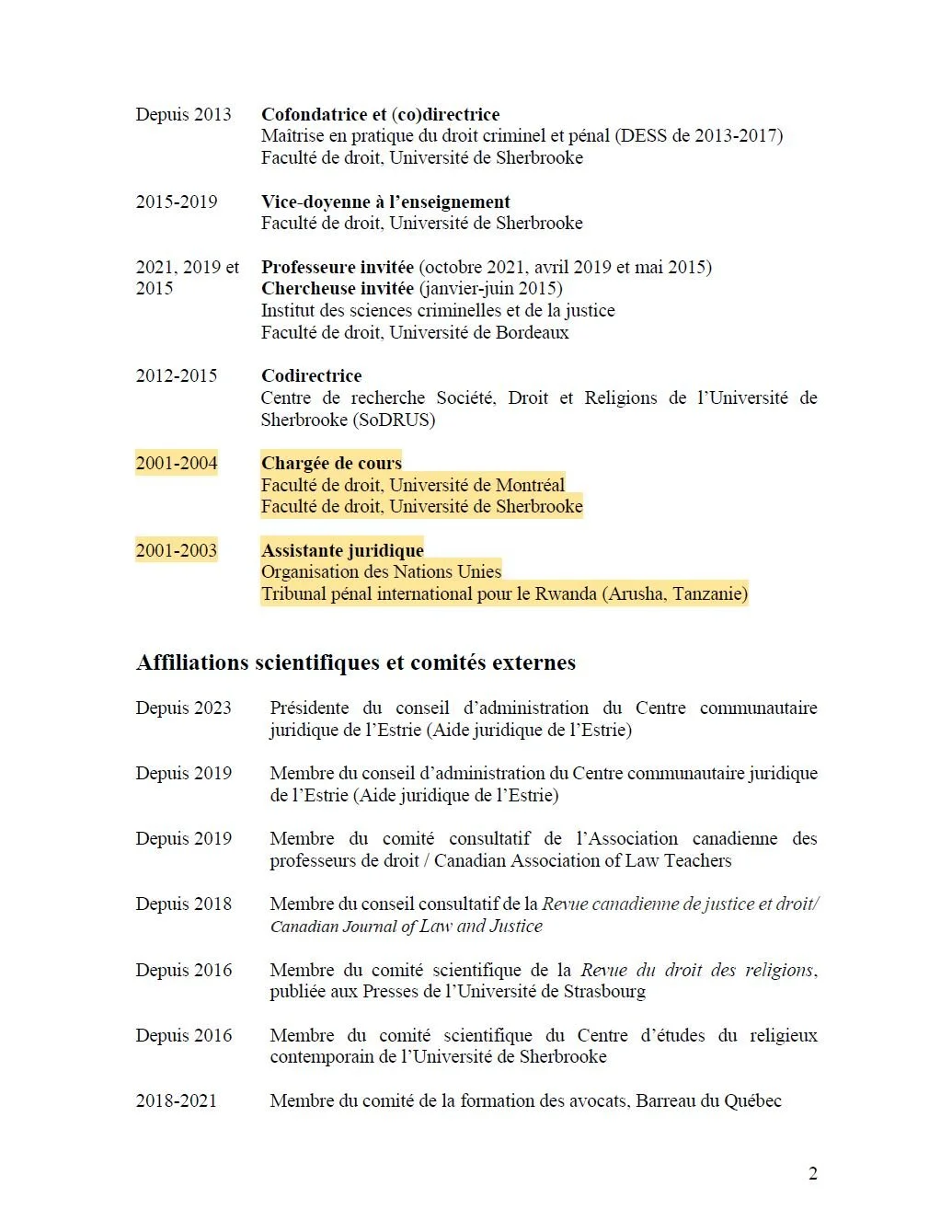
Note : This information comes from the curriculum vitae of Marie-Pierre Robert which she attached in 2023 to her application to be appointed dean of the Faculty of Law of the University of Sherbrooke.
The fact that Louis Marquis judged that "native" Quebecers could be able to accumulate multiple jobs at the same time, but not a Quebecer from an ethnic minority, is an unacceptable discriminatory act and reveals deep-rooted biases against minorities in his way of judging.
Discriminatory double standard in the acknowledgment of research as professional experience : Acknowledged for "native" Quebecers researchers, but not for the Quebecer researcher belonging to an ethnic minorities
Research experience in law accumulated during the master's research, doctoral research, the research work done for a chair or for a research group, for a court or for law professors, is historically acknowledged by the Faculty of Law of the University of Sherbrooke as a high-level professional experience giving access to teaching positions.
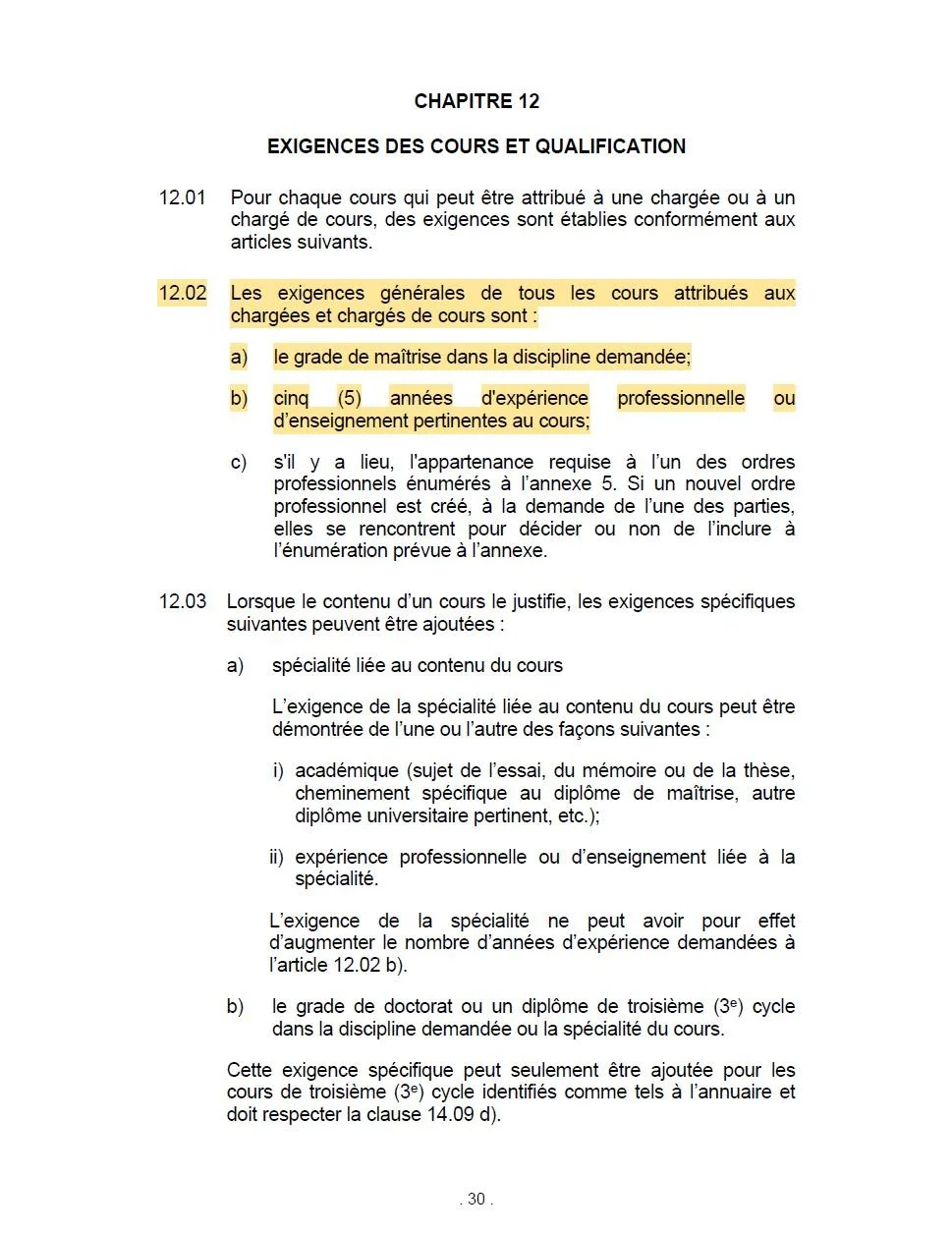
During Louis Marquis's management of the Faculty of Law (2020 to 2023), this acknowledgment was a common hiring standard, systematically applied to grant teaching contracts to lecturers, this granting being conditional on holding 5 years of professional and/or teaching experience (and a master’s degree).
In several documented cases, years spent doing research have been acknowledged as professional experience. Without such acknowledgment, the hired candidates would not have met the required 5-year threshold.
However, the litigation against Louis Marquis reveal that he adopted discriminatory conduct, applying “double standards”, towards certain candidates with regard to the acknowledgment of legal research experience as professional experience : while legal research experience was fully acknowledged to justify the granting of teaching contracts to “native” Quebecer candidates, this same legal research experience was deliberately dismissed for Dr. Claudiu Popa, then a Quebecer lawyer from an ethnic minority, even though he had acquired this professional experience specifically within the Faculty of Law of the University of Sherbrooke.
Let's take two examples to illustrate the application of this discriminatory treatment :
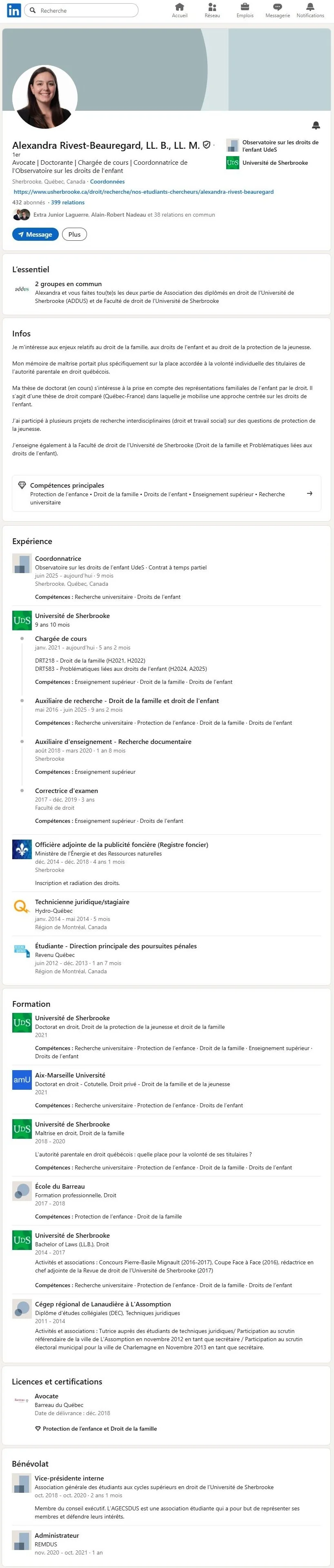
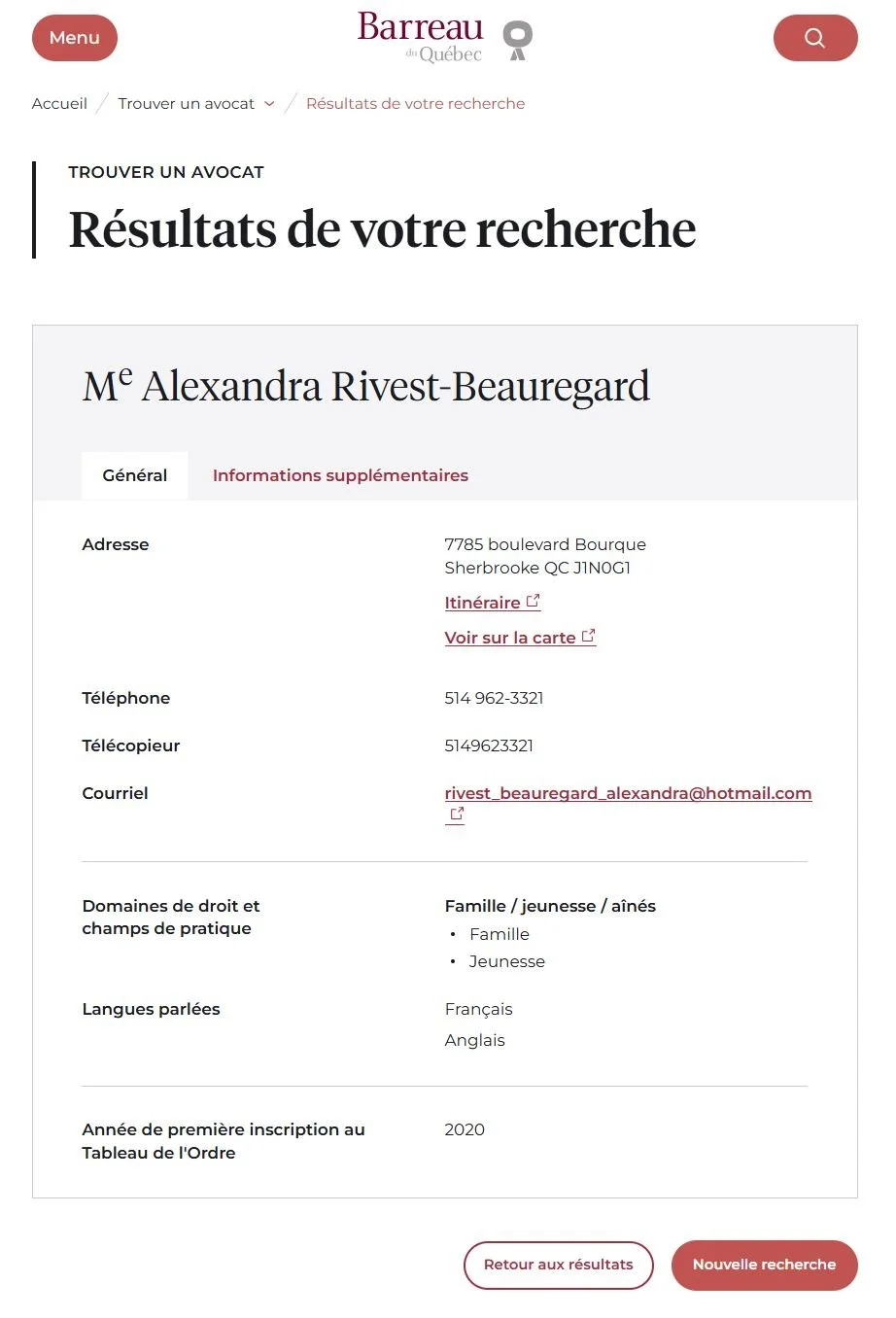
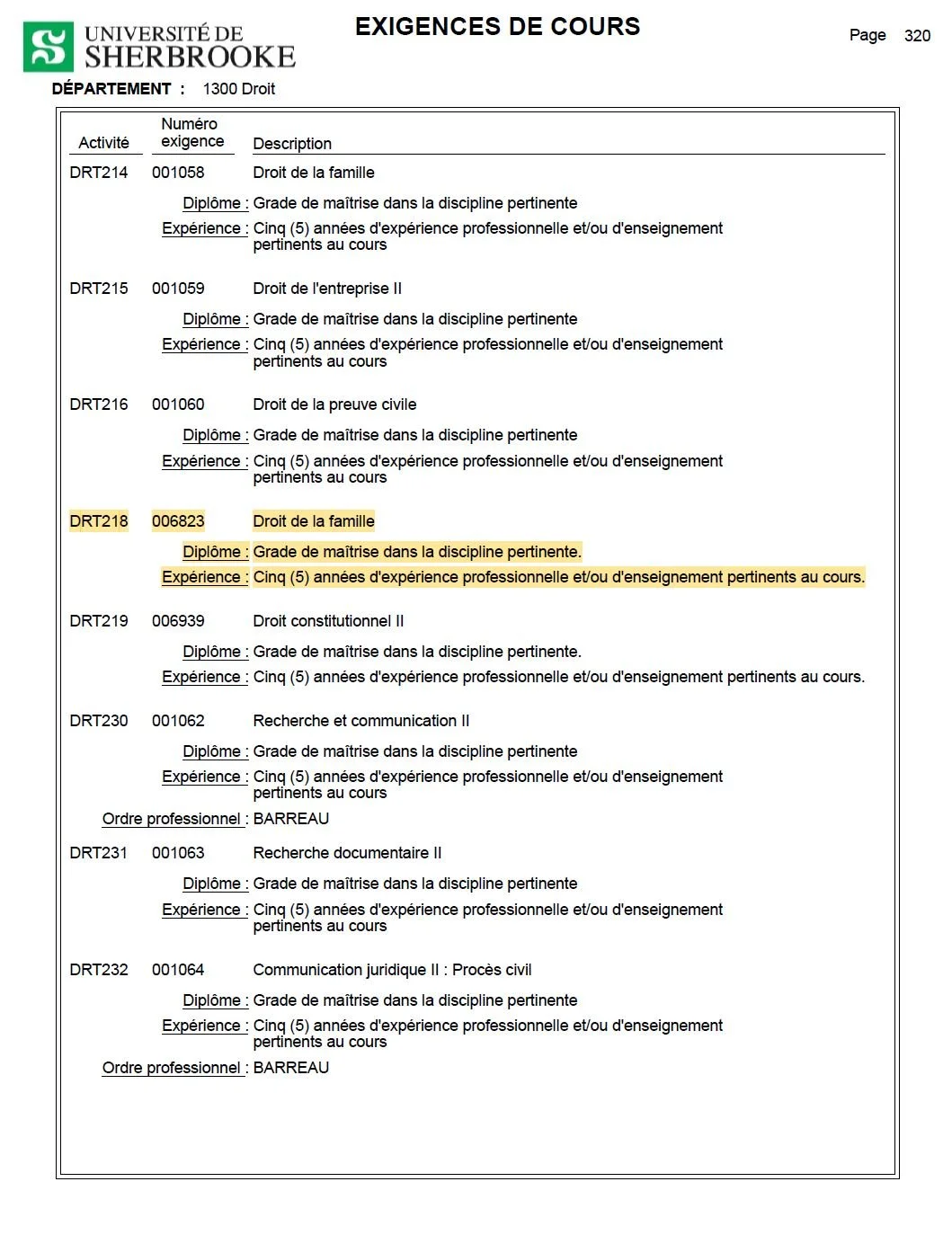
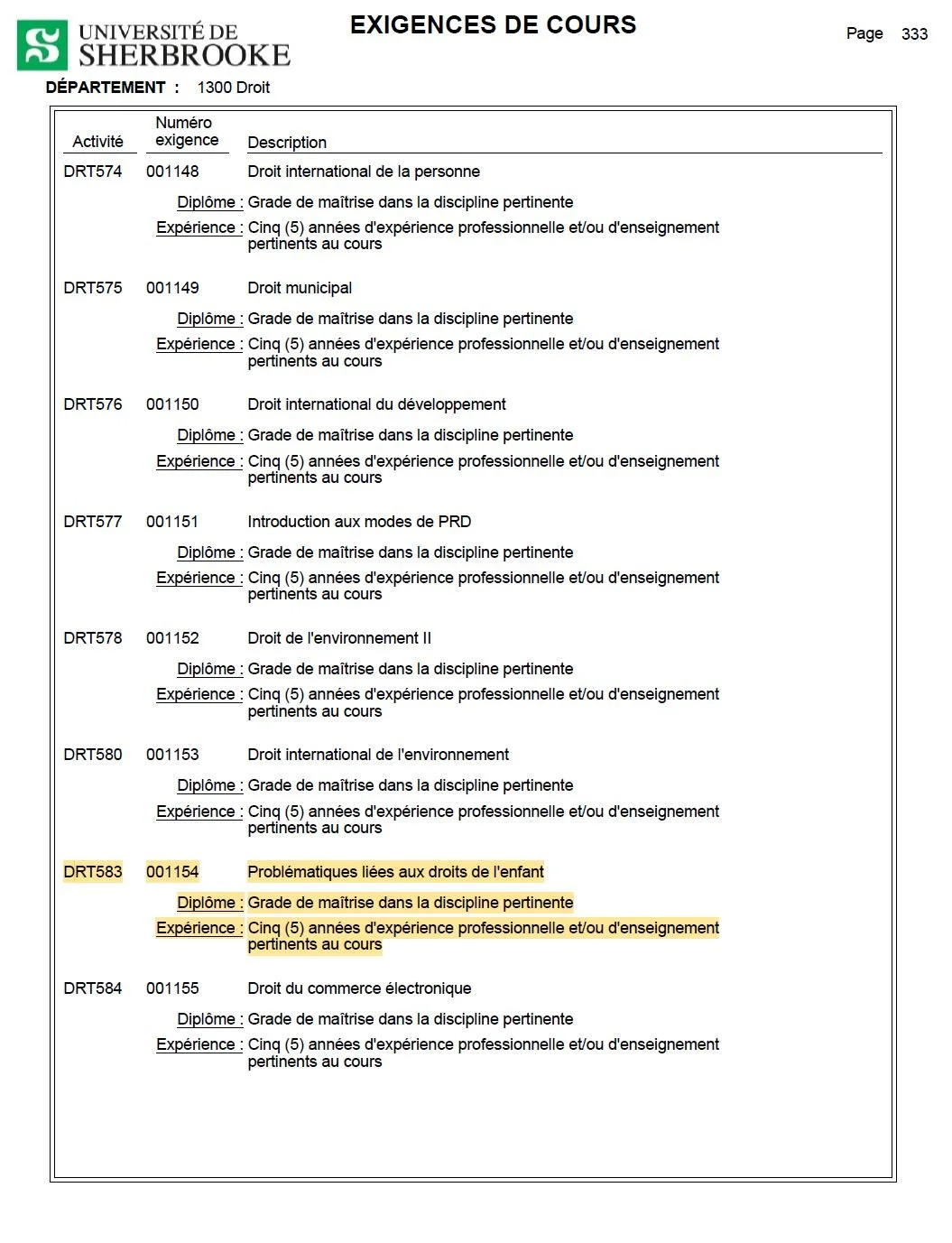
Alexandra Rivest-Beauregard : a member of the Quebec Bar since 2020, but without having practiced law, she was hired as a lecturer at the Faculty of Law of the University of Sherbrooke in 2021, teaching courses that required 5 years of professional experience (DRT218 - Family Law, during the winter 2021 and winter 2022 semesters, and DRT583 - Issues Related to Children's Rights, during winter 2024 and fall 2025 semesters). Her professional background was then primarily based on her research within the Faculty of Law : doctoral research in law since 2021, master's research in law, and other research mandates obtained and completed within the Faculty of Law of the University of Sherbrooke.
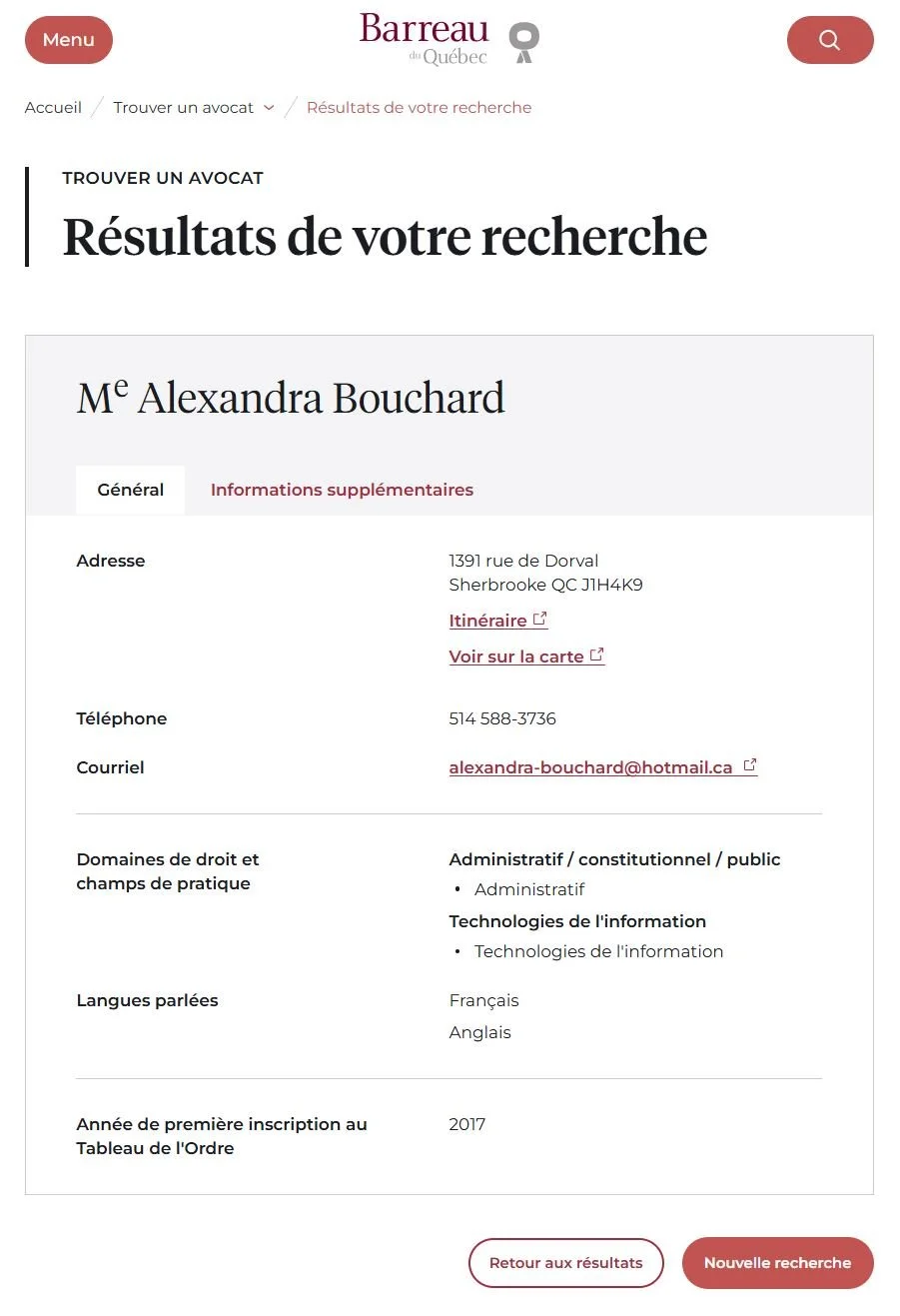
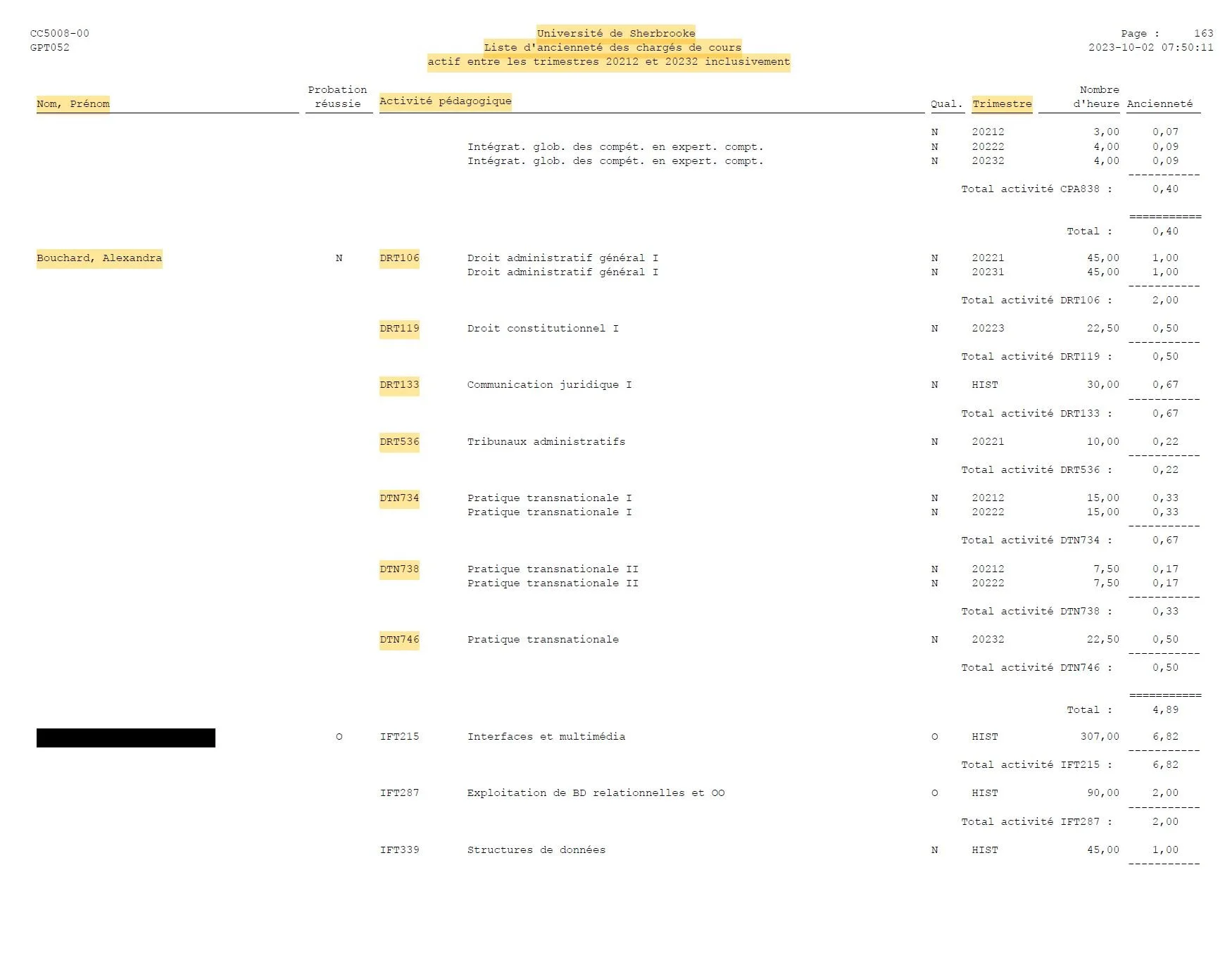
Alexandra Bouchard : a member of the Quebec Bar since 2018, but without having practiced law, she was hired as a lecturer at the Faculty of Law of the University of Sherbrooke in 2021, teaching courses that required 5 years of professional experience (DRT106 General Administrative Law I, DRT119 Constitutional Law I, DRT133 Legal Communication, DRT536 Administrative Tribunals, DTN734 Transnational Practice I, DTN738 Transnational Practice II, DTN746 Transnational Practice). Her professional background was then primarily based on her research within the Faculty of Law : doctoral research in law since 2020, master's research in law, and other research mandates obtained and completed within the Faculty of Law of the University of Sherbrooke, and with a lawyer.

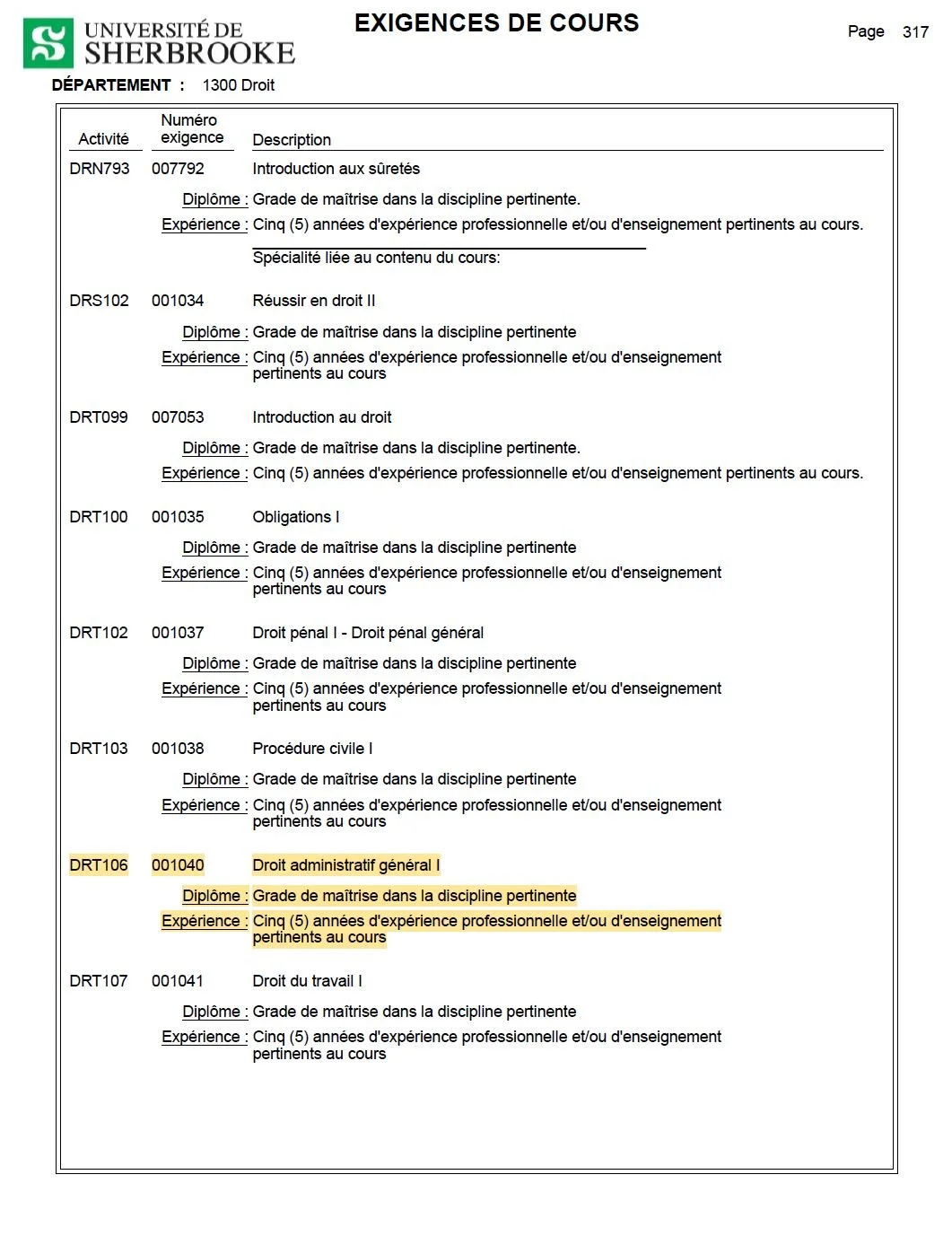
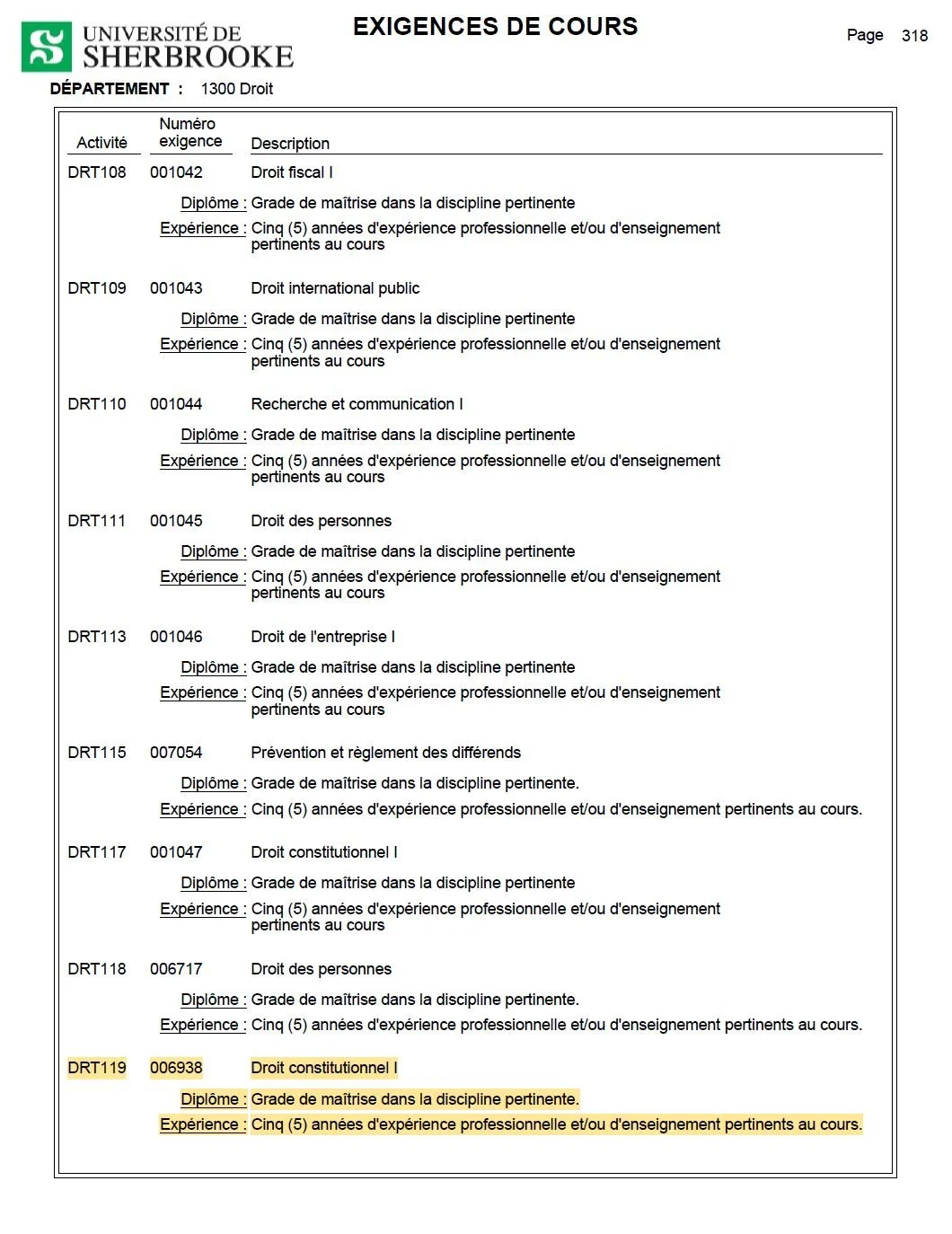
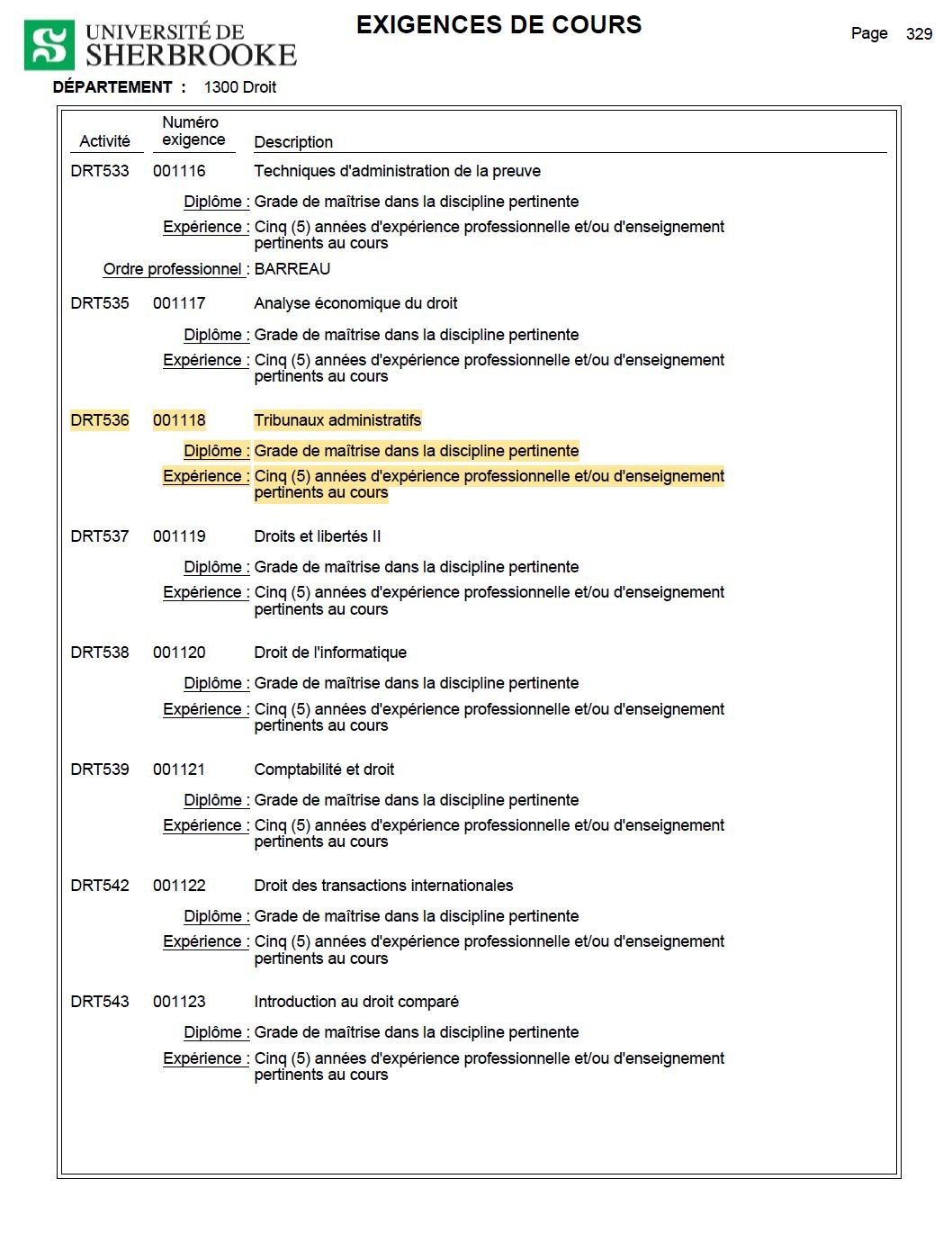
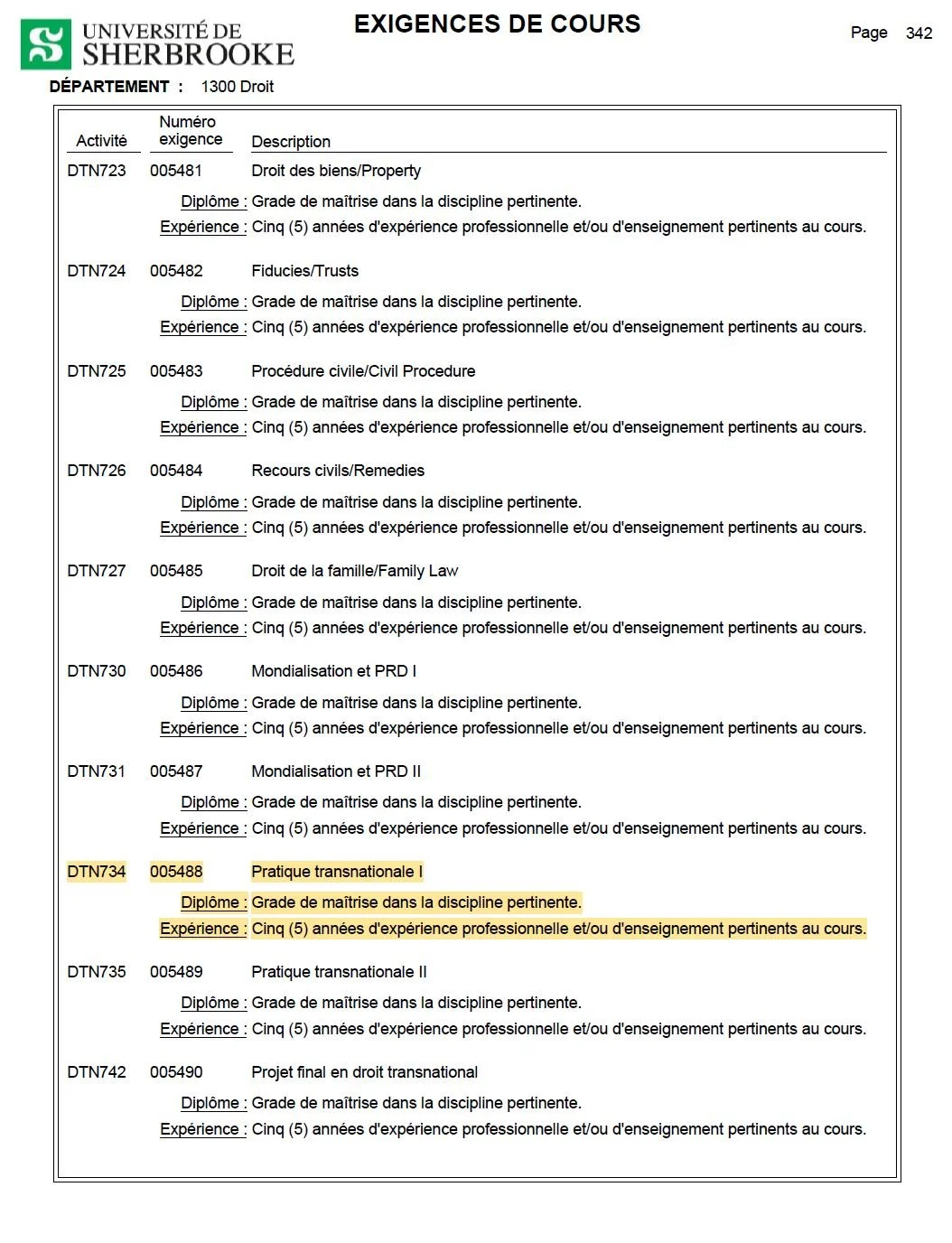
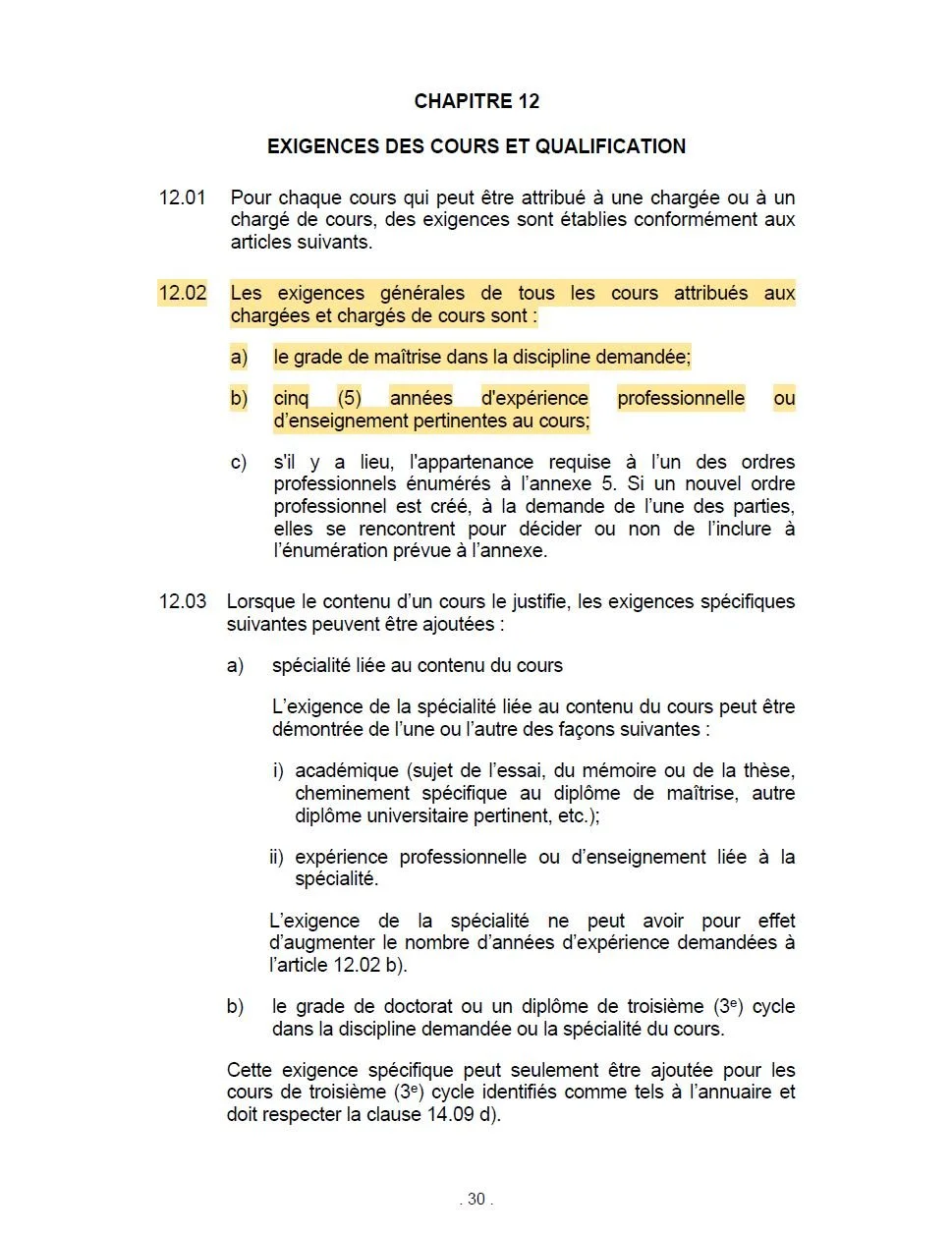
However, the acknowledgment of this same research experience in law, acquired during the master's research, doctoral research, the research done for research chairs or groups, for the courts or for law professors, which Louis Marquis acknowledged for "native" Quebecers, was discriminatorily refused to the lawyer belonging to an ethnic minority to teach DRT102 Criminal Law I - General Criminal Law.
His profile, however, presented a superior academic and practical depth : a lawyer and member of the Quebec Bar since 2013, who practiced criminal law, who accumulated numerous research mandates in criminal law for prosecutors (2010-2013), professors of criminal law (2015 and 2019), during his master's research in criminal law (2014-2016), during his doctoral research in criminal law in Canada and France (2017-2024), as well as with an interdisciplinary research group at the University of Sherbrooke (2021-2025), all research experiences in criminal law.
By refusing Dr. Popa the treatment he offered to other candidates with similar research profiles or less extensive professional experience, Louis Marquis instituted a differential treatment that violated the principles of equality and equity in employment.
The deliberate exclusion of Dr. Popa's years of research, in a context where that same research was used as a hiring lever for others, constituted a discriminatory practice that discredited the integrity of the Faculty of Law's hiring process and Louis Marquis himself.
Although the judge selection process required Louis Marquis to declare any possibility of complaint, investigation or litigation related to these discriminatory treatment practices or ethical breaches, Louis Marquis did not disclose them.
By failing to disclose this information, Louis Marquis breached his obligation of transparency and integrity towards the Advisory Committee and the Government of Canada, requirements which are sine qua non to the exercise of judicial functions.
Saying one thing but doing the opposite : discrepancies between Louis Marquis' public commitments and his actual practices regarding "diversity and inclusion"
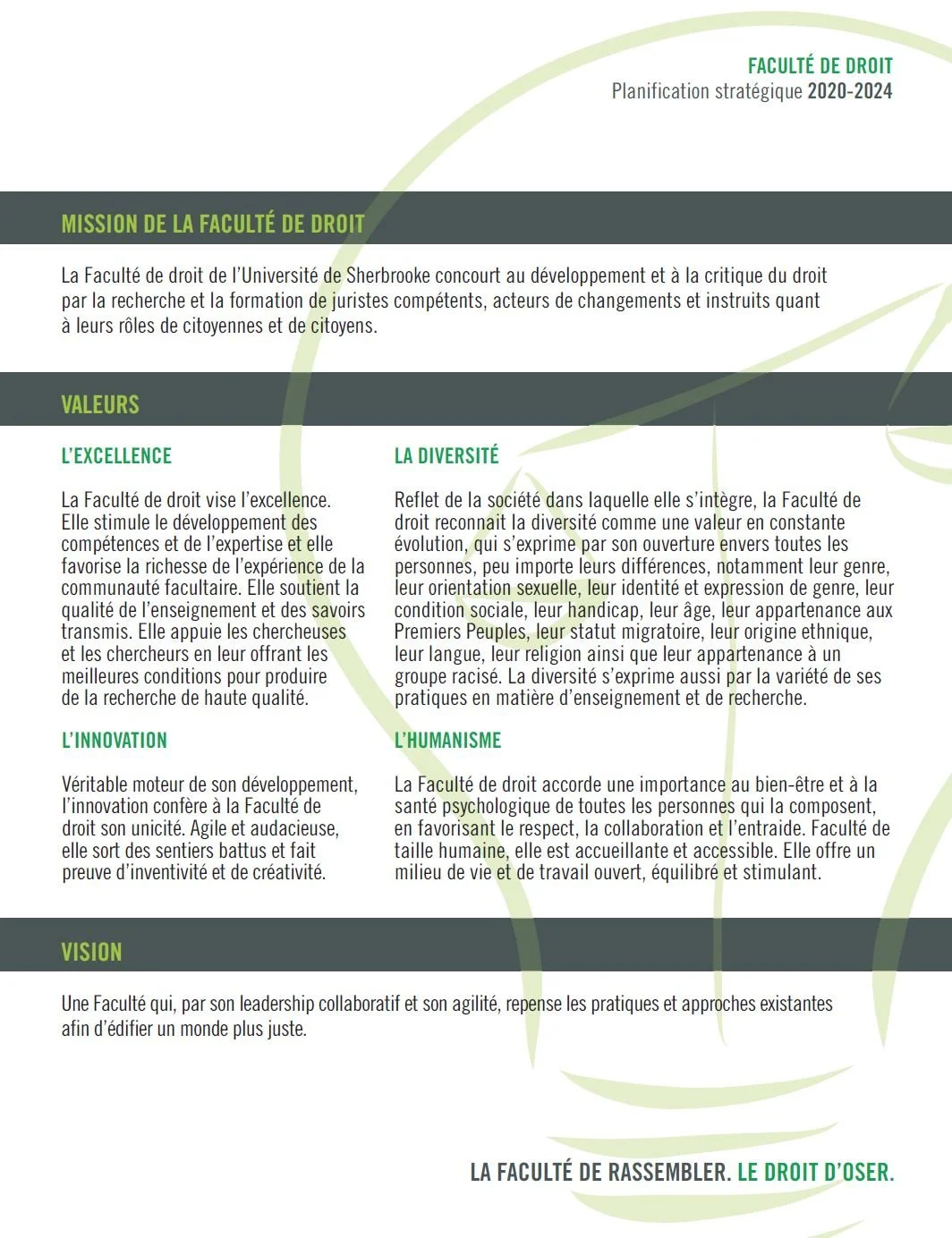
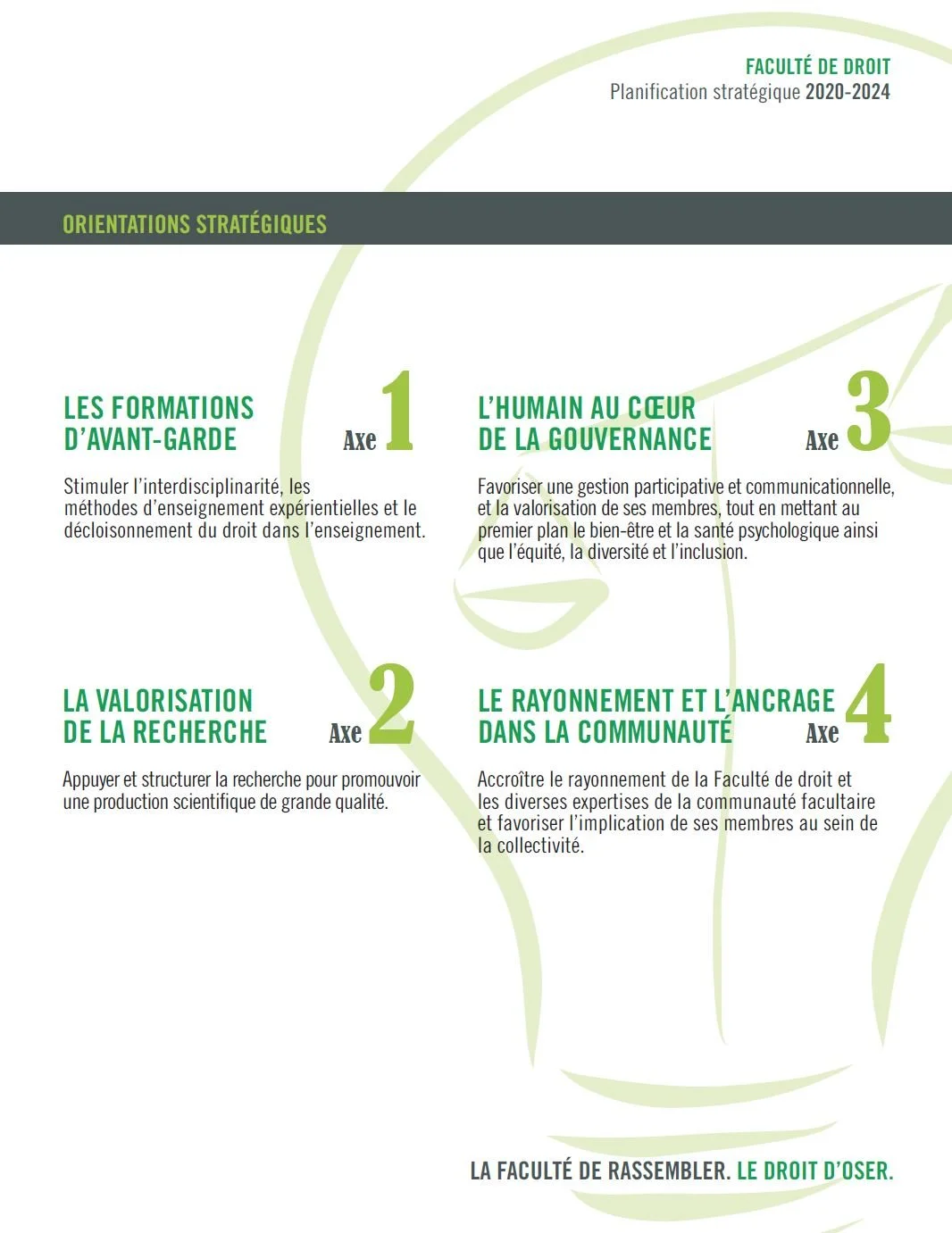
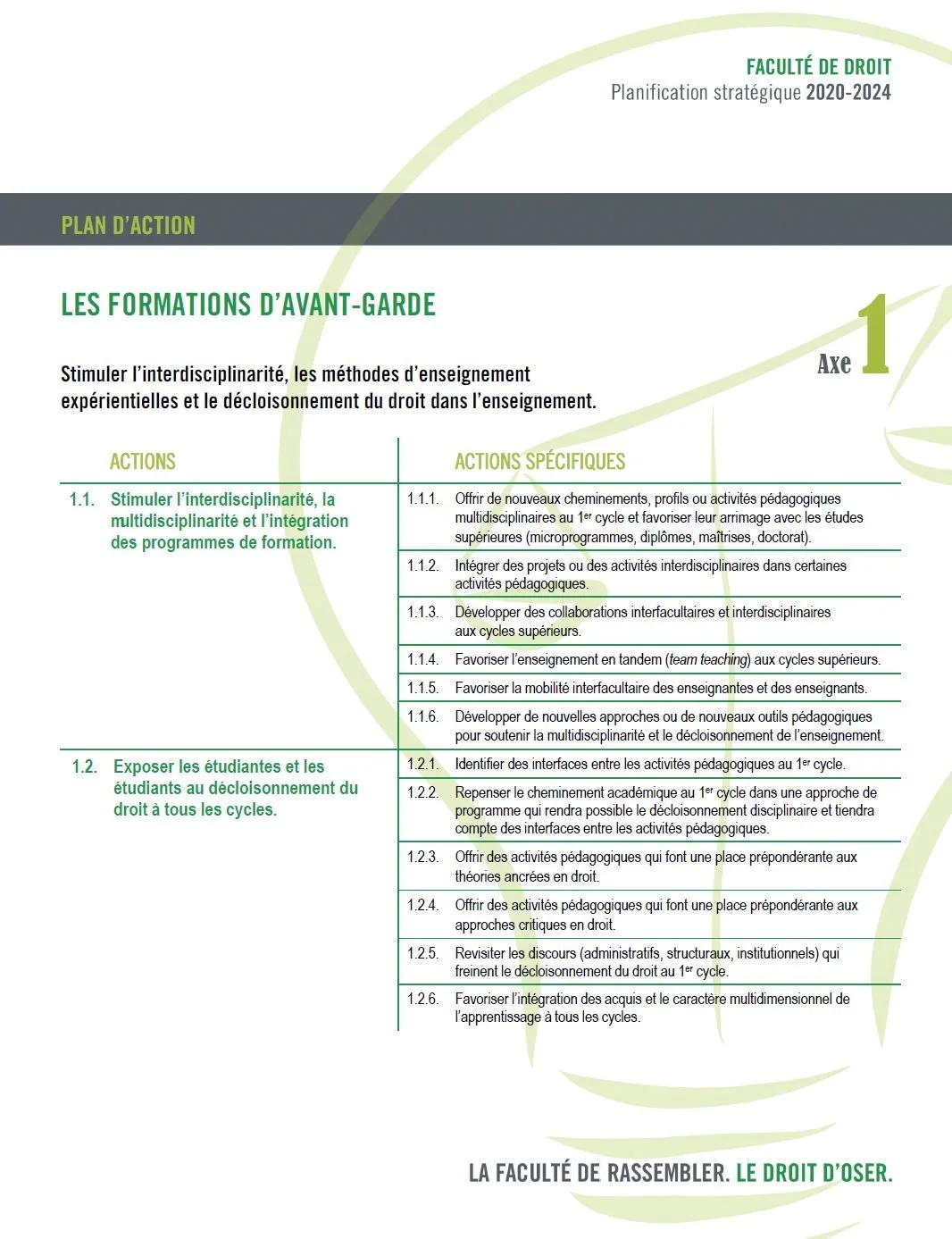
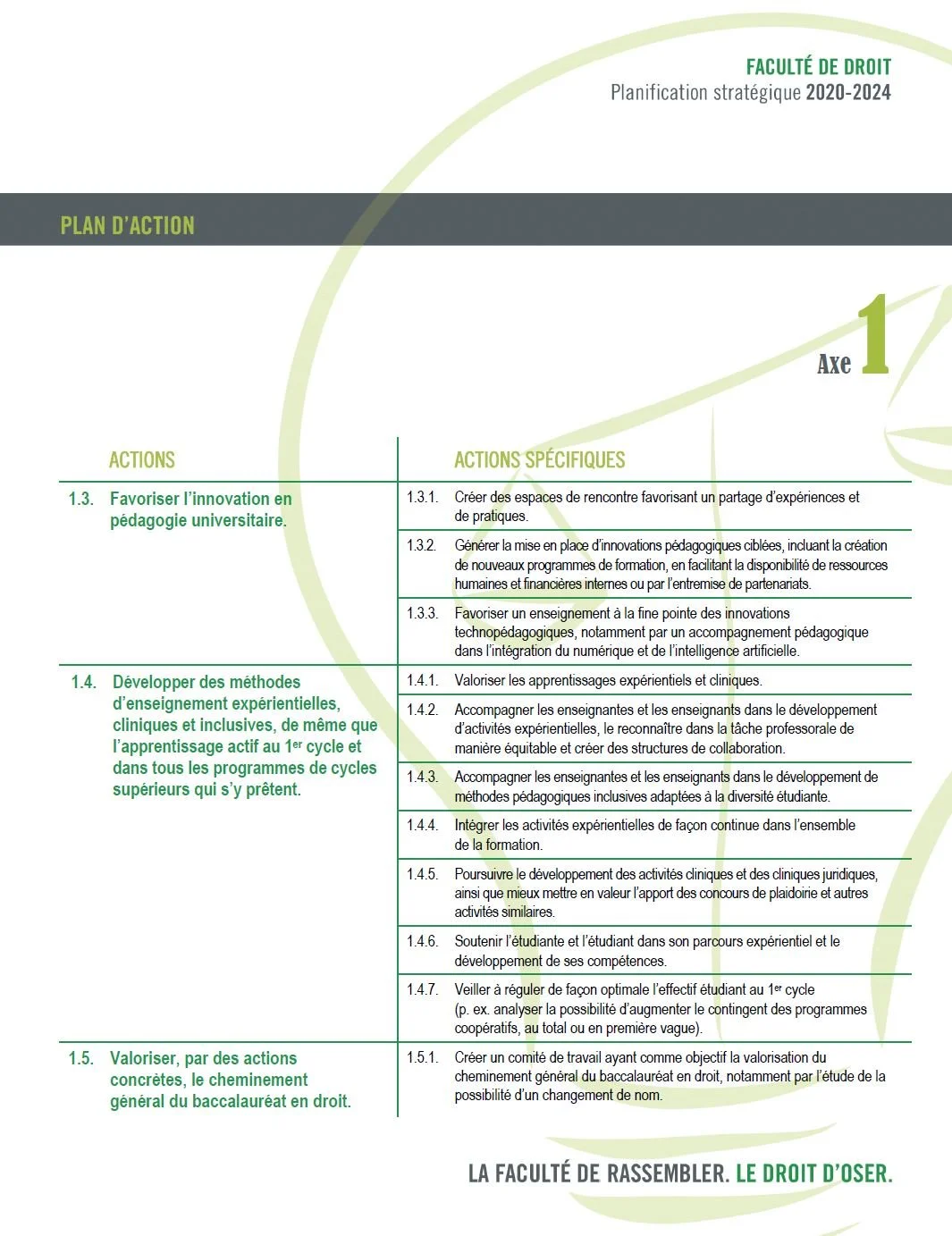
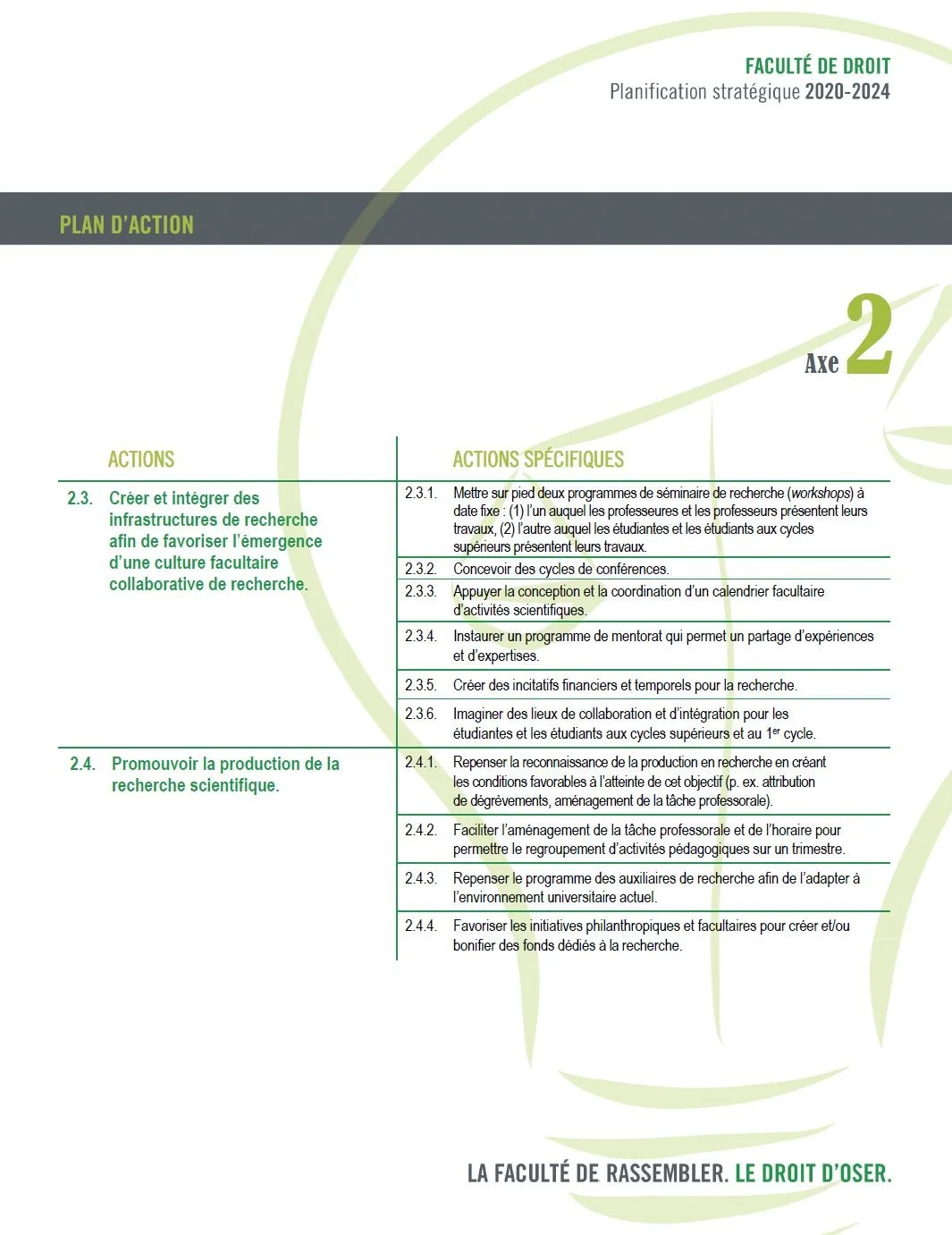
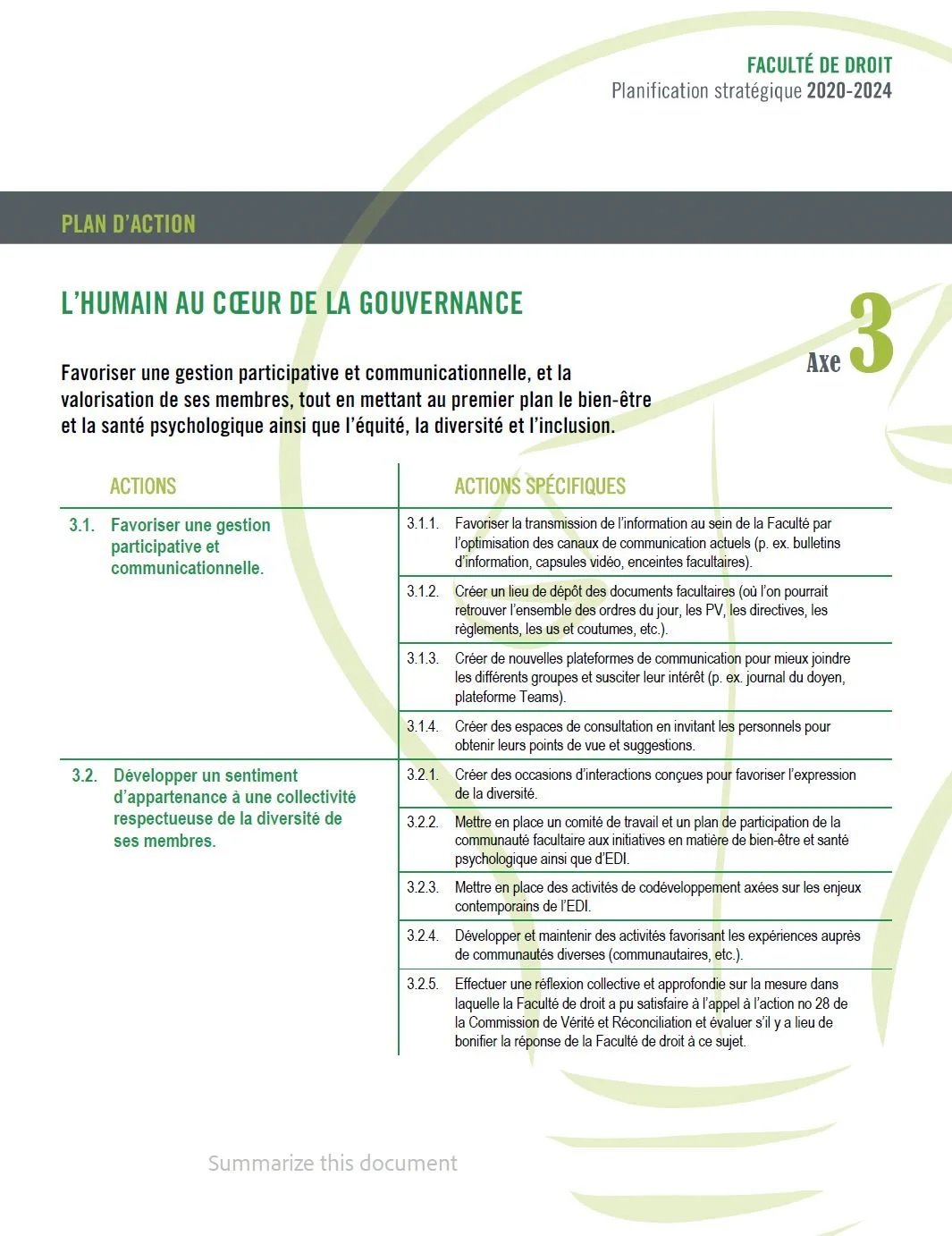
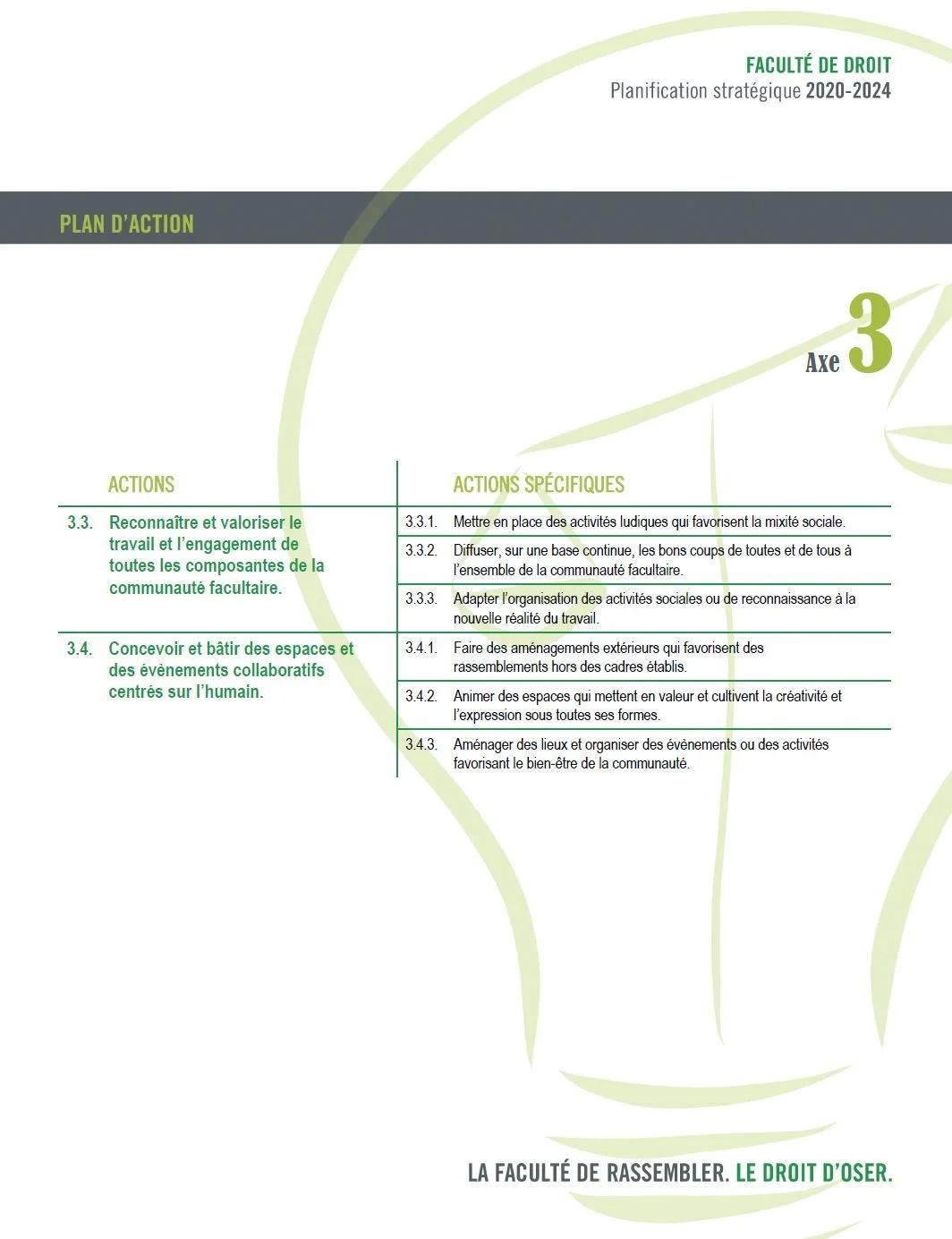
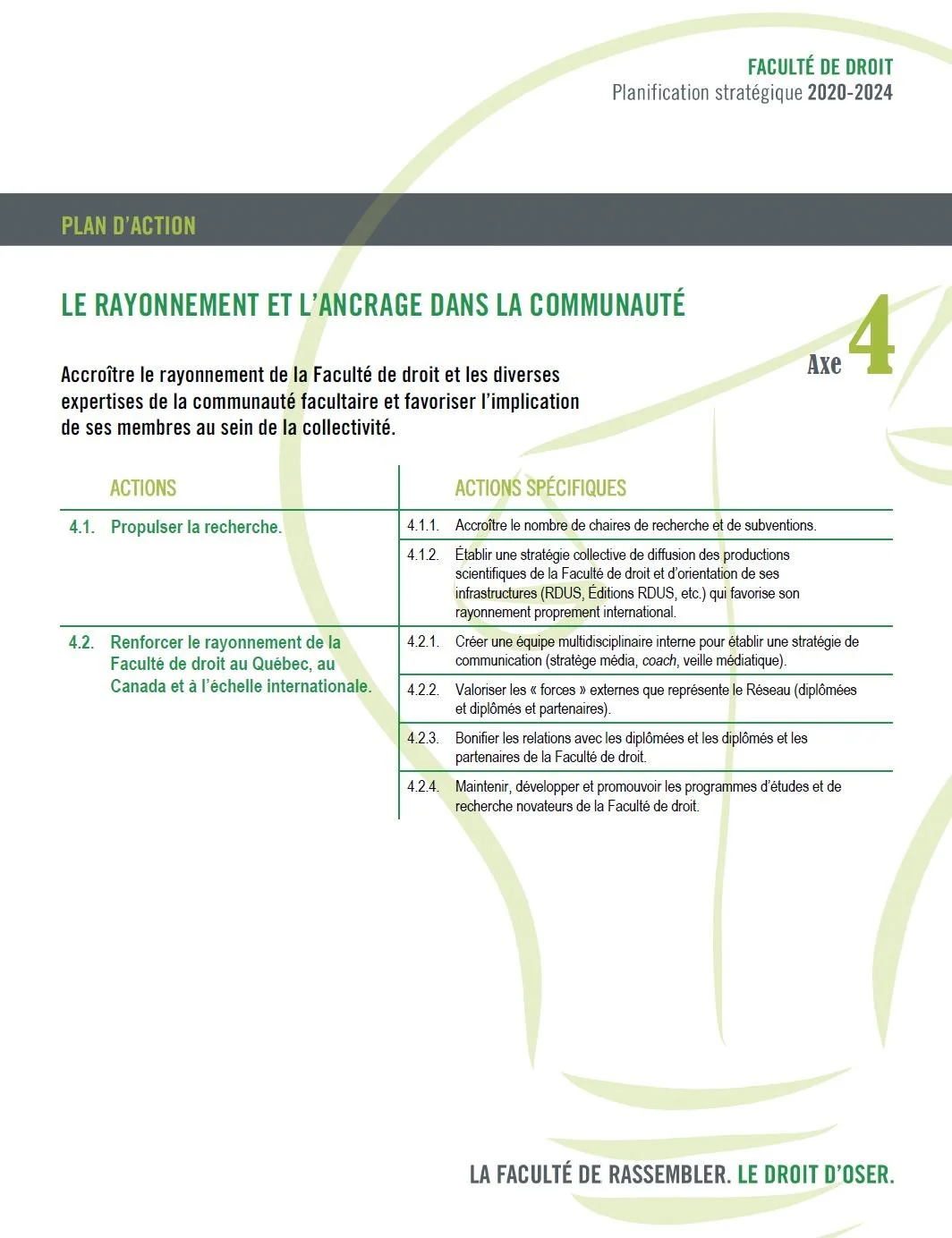
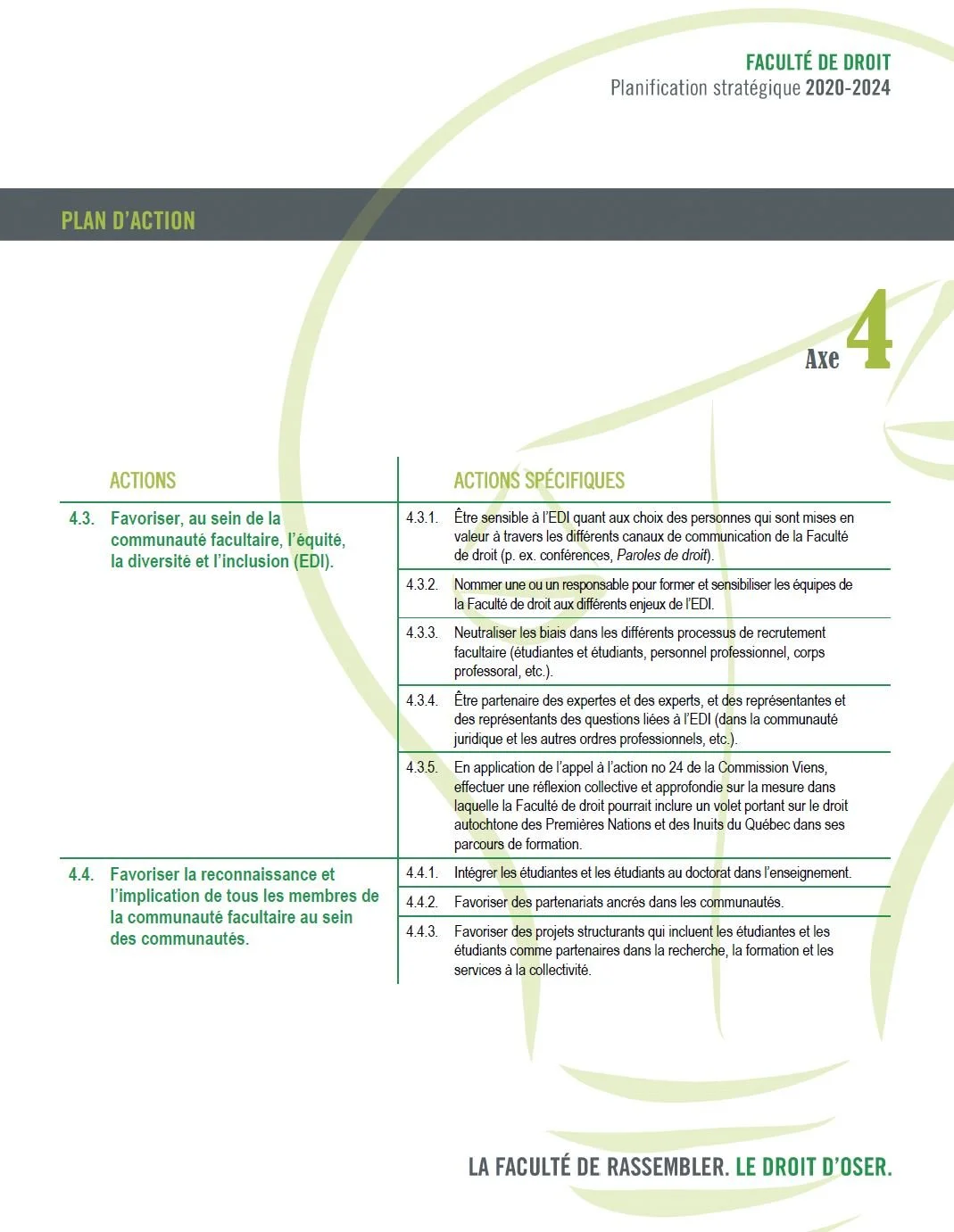
Adding insult to injury, it was Louis Marquis, upon becoming dean of the Faculty of Law at the University of Sherbrooke in January 2020, who had the Faculty of Law's 2020-2024 Strategic Plan adopted. This plan defined the institution's strategic objectives and, through it, Louis Marquis and the Faculty of Law at the University of Sherbrooke committed to
“to neutralize biases in the various faculty recruitment processes (students, professional staff, faculty, etc.)” and to “integrate doctoral students into teaching”,
the aim being to enable a diverse range of doctoral researchers to teach courses relevant to their field of research, popularize their knowledge and enhance their academic curriculum vitae.
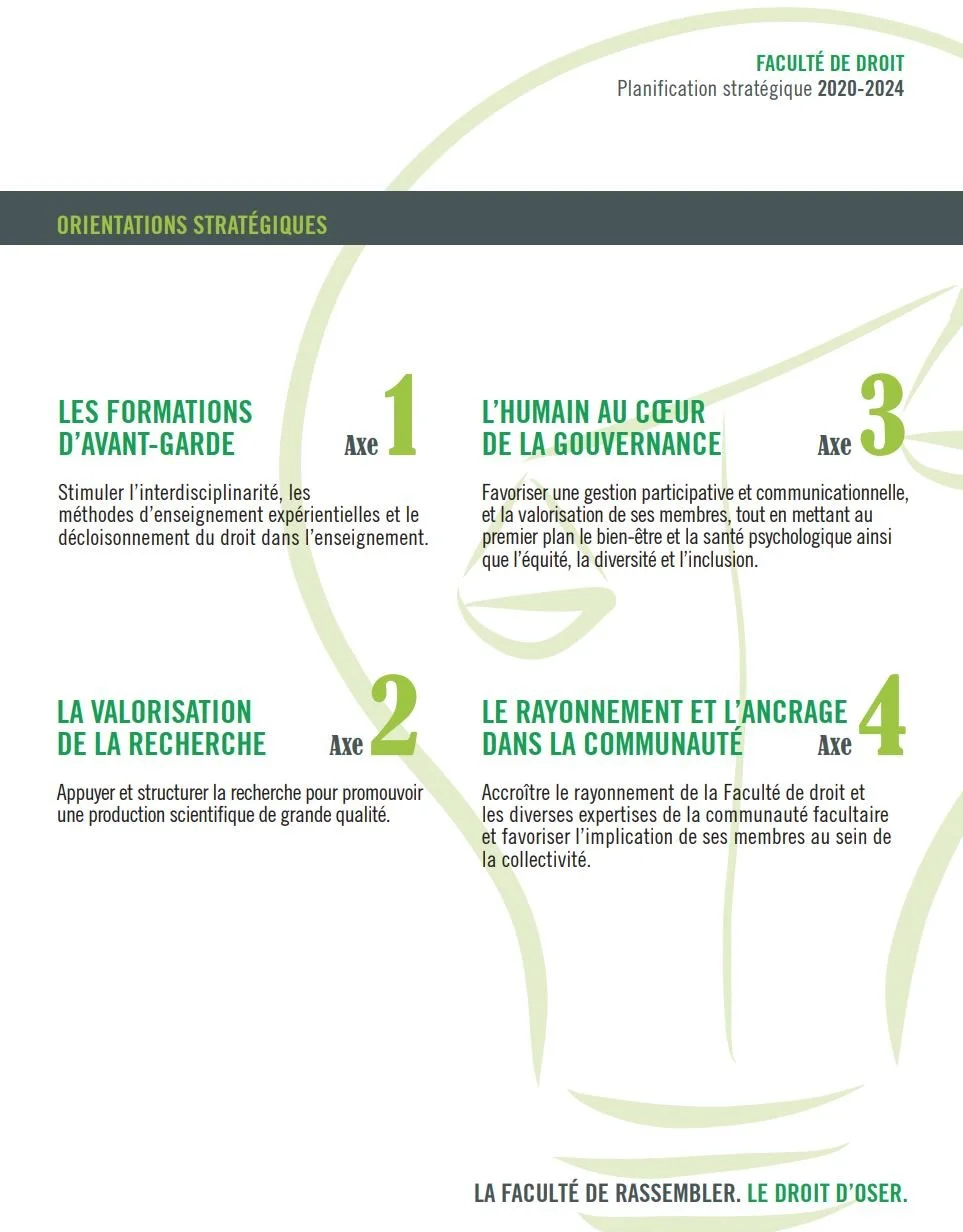
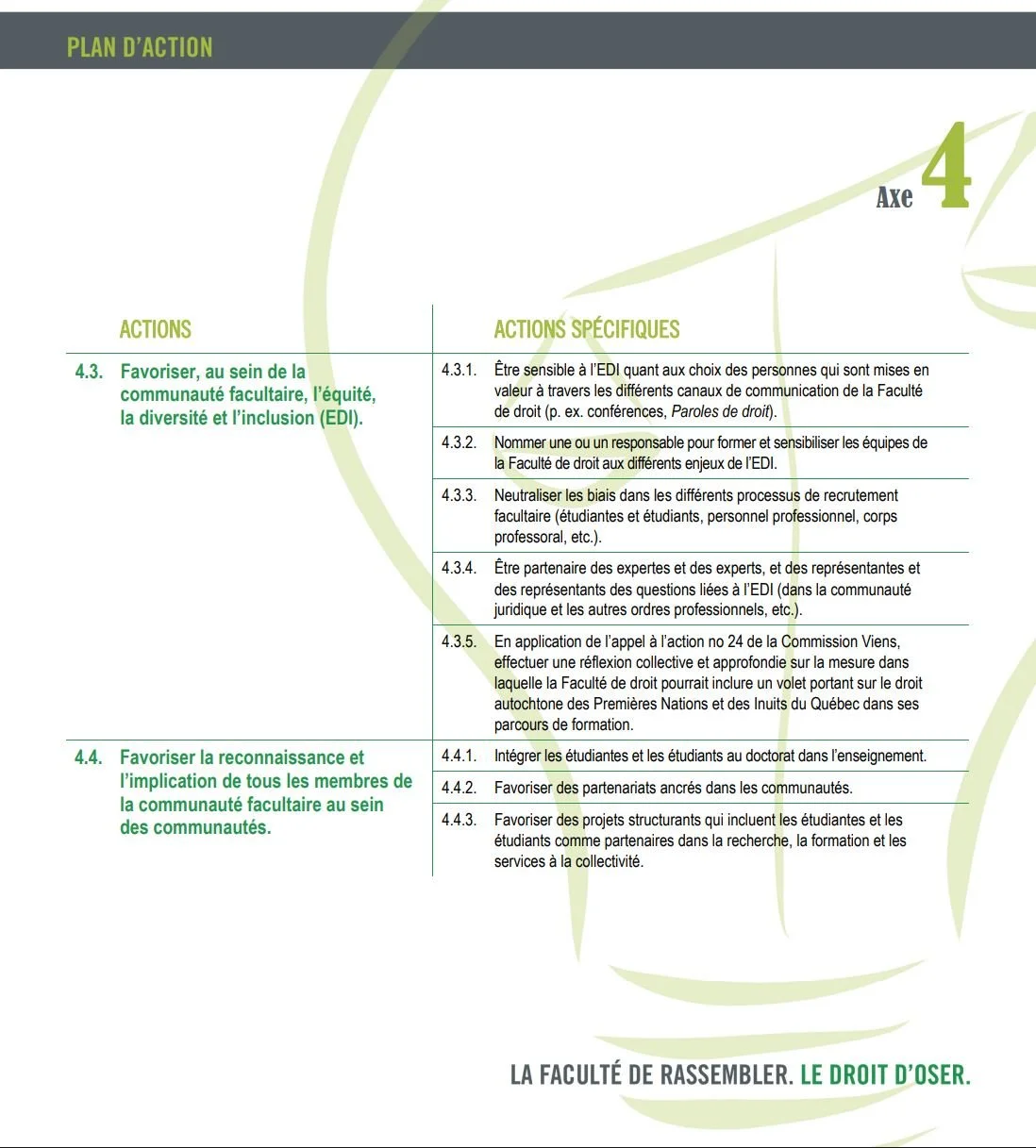
Source : Strategic Planning 2020-2024 of the Faculty of Law of the University of Sherbrooke [3]. (in French)
However, Louis Marquis did the opposite. Analyzing hirings done during Louis Marquis's management reveals a marked discrepancy between his commitments and his actual practices.
Despite his commitments, Louis Marquis hired instead “native” Quebecer doctoral researchers and preferentially chose to enhance their careers, offer them opportunities to flourish, develop and build or strengthen their academic portfolio, while choosing not to apply the same treatment to the Quebecer doctoral researcher who belonged to an ethnic minority.
On the contrary, the application of the latter was systematically rejected in favour of less experienced candidates. Louis Marquis consistently hired in his place, year after year, “native” Quebecers who were not researchers in law, who came from outside the Faculty of Law of the University of Sherbrooke and who had no prior teaching experience within this institution, or who had less seniority.
Acting contrary to one's own commitments he made as a manager and on behalf of a publicly funded institution demonstrates a lack of integrity incompatible with the role of a judge. This role demands absolute integrity and impartiality, as well as respect for fundamental human rights.
Beyond the discriminatory aspects, the disputes generated under the direction of Louis Marquis at the Faculty of Law of the University of Sherbrooke revealed an even darker side in terms of nepotism and favoritism in university teaching, going so far as to engage in fraudulent activities (see here and here).
It is worth recalling that the Government of Canada appointed Louis Marquis as a judge in the district where his own hiring practices were being legally challenged, which raises fundamental questions about the appearance of impartiality of justice, in addition to giving the impression that Louis Marquis was given the opportunity to keep an eye on the cases in which he was involved, to have access to the judges who were judging these cases, who became his colleagues, and the possibility of receiving preferential judicial treatment.
How can the public trust a judge who took such actions and then failed in his duty of transparency and honesty towards the Government of Canada?
How can the Government of Canada continue to trust such a judge and choose not to disassociate itself from him?
Judge Louis Marquis must be revoked
In light of the above, the requirement of "almost superhuman" propriety imposed on judges is not met by Louis Marquis.
The fact that a candidate may not be completely transparent and honest in their application to be appointed as a judge is the opposite of the required propriety and demonstrates a disregard for the rule of law on the part of the candidate.
The fact that this candidate ended up being appointed as a judge without being completely transparent and honest also demonstrates that candidates can circumvent the “high standards” of the judicial appointment process that the Government of Canada boasts about to the public.
This irreparably undermines public trust in the system.
Beyond the issues related to vitiated consent regarding his appointment and other aspects of civil liability, there is the criminal aspect of such conduct. In February 2026, the Director of Criminal and Penal Prosecutions reminded the public of the meaning of the offence of fraud under section 380 of the Canadian Criminal Code :
Fraud isn't always a complex scheme or a scam worthy of a movie. Sometimes, a simple lie is enough to extort money or obtain an advantage to which one is not entitled.
A candidate who lies in his application to be appointed as a judge, including by concealing or omitting information that could have influenced the decision of the Advisory Committee or the Minister of Justice to appoint him as a judge, and who is appointed as a result of this dishonest behavior, is committing a fraudulent act.
The candidate appointed as a judge following dishonest behavior benefits from this behavior : he gains access to the judiciary, obtains a large annual salary of nearly $400,000, benefits from the prestige, reputation and other advantages attached to the function of judge, obtains the job security conferred by his judicial irremovability, etc.
At the same time, the state and the public are harmed : they are deprived of the opportunity to choose and have an exemplary person in this position, as required by the role of a judge, in addition to suffering reputational damage from the appointment of a dishonest or reprehensible individual. Furthermore, the government and the public suffer financial harm, losing hundreds of thousands of dollars annually in salary unduly paid to this judge with taxpayer money.
Keeping Judge Louis Marquis in his position sends an unacceptable message to litigants : a two-tiered justice system and a corruptible process for appointing judges.
But there's more.
The litigation context generated by Louis Marquis and his lack of transparency and honesty were not the only elements that should have prevented his appointment to the judiciary.
Let's talk about another case : https://www.claudiu-popa.com/about-the-university-environment/on-the-appointment-of-louis-marquis-as-a-judge-to-the-superior-court-of-quebec-2
ALL ARTICLES IN THIS SERIES :
-
-
-
-
-
-
Coming soon
-
Coming soon
-
-
-
English version coming soon.
French version available here : https://www.claudiu-popa.com/publications-juridiques/decoder-la-fraude
*****
* The author, Alexandra Captariu, LL.B., is a jurist and legal researcher. She has extensive and diverse professional experience.
Holding a bachelor’s degree in law (LL.B.) from the Faculty of Law of the University of Sherbrooke (Québec, Canada), she was a lawyer in Canada from 2020 to 2026. She began her career practicing in-house law, specialising in contract law, business law, privacy law, labour law, and intellectual property law.
Trilingual and versatile, she also possesses a certificate in private international law from the University of Salzburg, Austria.
Prior to her calling to the Quebec Bar, she has worked in the legal field since 2008, namely in Europe and in Canada. She also worked as a research assistant for a university professor at the Faculty of Law of the University of Sherbrooke and held the position of editor and editor-in-chief for the student newspaper of the Faculty of Law.
She is currently the deputy director of the LEAGUE OF ACADEMIC RIGHTS AND FREEDOMS.
*****
[1] OFFICE OF THE COMMISSIONER FOR FEDERAL JUDICIAL AFFAIRS, “Candidates: How to Apply - Questionnaire”, Government of Canada, September 2022.

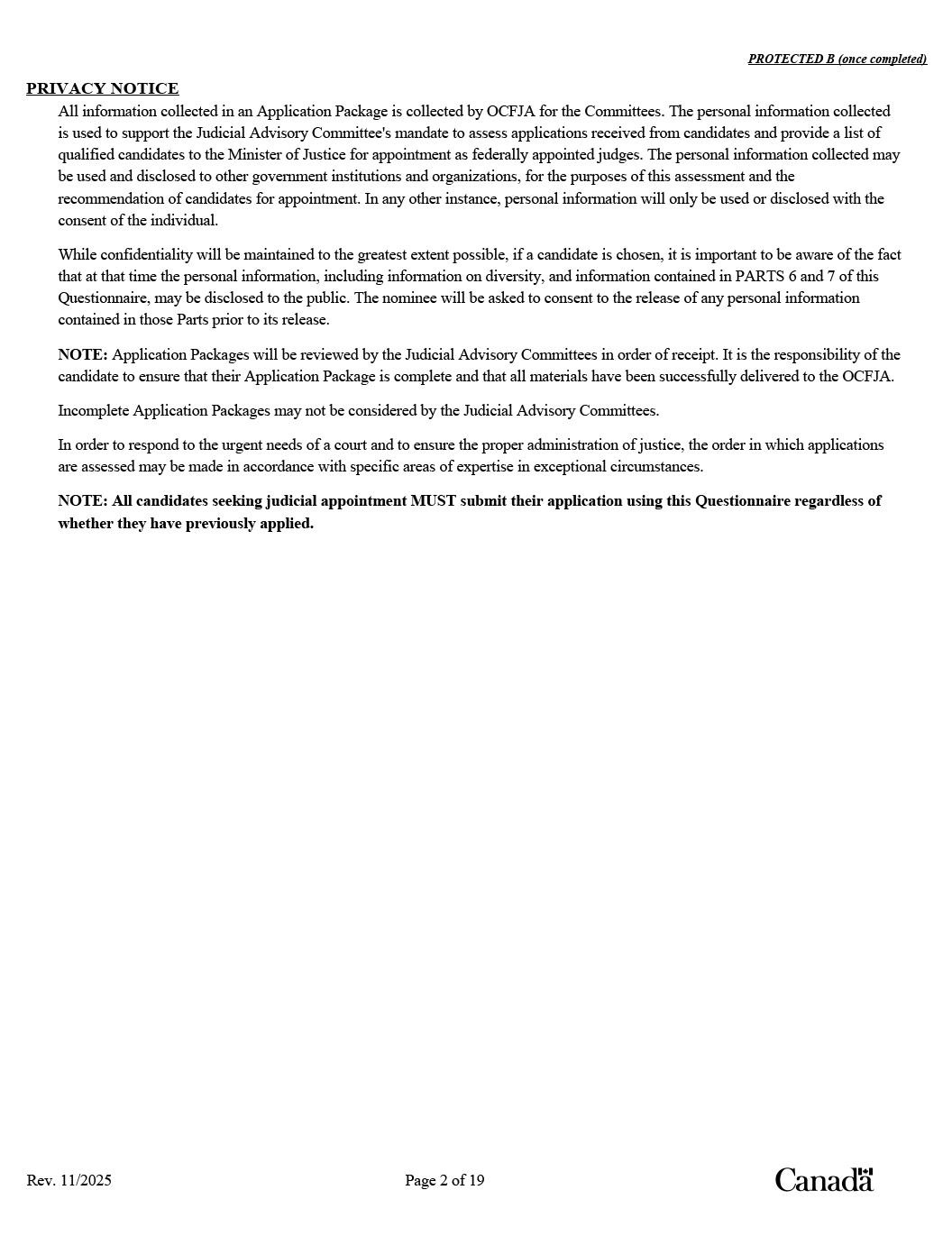














[2] Id.
[3] FACULTY OF LAW OF THE UNIVERSITY OF SHERBROOKE, Strategic Planning 2020-2024, Usherbrooke.ca :